| Category | Details |
|---|---|
| Full Name | Robert John Finck (Robin Finck) |
| Date of Birth | November 7, 1971 |
| Place of Birth | Park Ridge, New Jersey, United States |
| Nationality | American |
| Occupation | Guitarist, Songwriter, Multi-instrumentalist |
| Years Active | 1990 – present |
| Estimated Net Worth | $8 million (as of 2026) |
| Spouse | Bianca Sapetto (acrobat & choreographer, married 2001) |
| Children | Two |
| Most Known For | Longtime touring guitarist for Nine Inch Nails (1994–present), lead guitarist for Guns N’ Roses (1997–2008, various returns), guitar work on Chinese Democracy, Cirque du Soleil’s Quidam |
| Latest / Upcoming | Touring with Nine Inch Nails, game soundtrack work with Eyes Out studio, and ongoing projects (2026) |
Robin Finck has put together a career that holds its own in a business crowded with famous faces and nonstop shifts. The guitarist, best known for his long stretches with Nine Inch Nails and Guns N Roses, sits at an estimated net worth of $8 million. That figure comes from years of solid touring, studio work, and the occasional side project instead of one massive windfall.
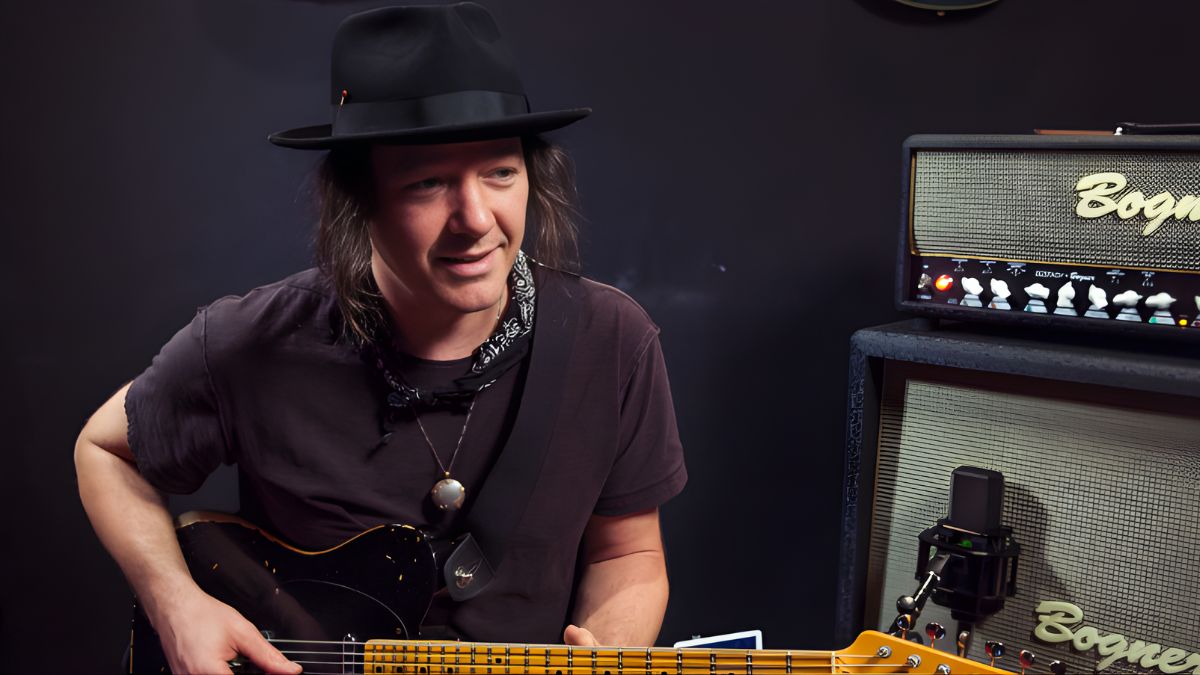
He has never chased the spotlight that lands people in gossip columns, but his playing has quietly shaped what big rock shows sound like for more than three decades now. The interesting part about his story is the way he slipped between such different musical scenes while staying mostly out of the public eye and just getting the job done.
Early Years in New Jersey and Georgia
Finck came into the world as Robert John Finck on November 7, 1971, in Park Ridge, New Jersey. His family ended up moving down to Marietta, Georgia, and that is where he really grew up. The guitar showed up pretty early in his life. When he was seven his dad brought home a cheap nylon string model from a garage sale. It sat in its vinyl bag for a while until Finck started messing around with it on his own. High school hit and the move south left him feeling a bit cut off from things, so he spent a lot of time in the basement just working through riffs and figuring out how the instrument worked without anyone really showing him the ropes.
He got his first taste of the stage with some local Atlanta bands that were grinding it out in the club scene back in the late eighties and early nineties. Outfits like Prowess, Bat Your Lashes, Sik Dik, and The Hookers played the unsigned circuit where you had to be ready for anything. One night it might be straight ahead riffs, the next something more atmospheric because the crowd and the club owner expected the energy to stay high. Finck picked up the habit of adjusting on the fly.
He pulled from all sorts of records, everything from heavy metal to the way U2 and the Cure layered their guitars. There was even a brief stop at Berklee College of Music in 1989, but the classroom setup did not click with him. He headed back to Atlanta and kept playing wherever he could get a gig. Those years taught him how to read a crowd and deliver when the pressure was on, things that would come in handy once the bigger calls started coming.
Breaking Into the Professional Circuit
Around 1993 Finck had built enough of a name in the local scene to start auditioning for national acts. Industrial rock was picking up steam then, and Nine Inch Nails had just ridden The Downward Spiral to a whole new level. Trent Reznor was looking for a touring guitarist after Richard Patrick moved on. Finck got the spot in 1994. The Self Destruct tour dropped him straight into arenas packed with thousands of people, including that huge Woodstock 94 set. He turned up in the live footage for March of the Pigs and added parts to the Closer to God single.
The schedule was brutal. Rehearsals ran late into the night and every show needed tight timing on the layered guitar lines that sat on top of all the electronics and pounding rhythms. Finck got through it by concentrating on texture instead of flashy solos. He leaned on pedals and feedback to build the thick atmospheric sound that became a trademark of the live shows.
When the tour wrapped up in 1995 a lot of players in his position might have locked in for a permanent role or jumped straight to the next big rock opportunity. Finck went a different direction. He left Nine Inch Nails and signed on with Cirque du Soleil for their original Quidam show. Plenty of people in the rock world raised an eyebrow at the move, but it matched the way he saw performance as something bigger than just the music. Working alongside acrobats and choreographers forced him to learn a whole new set of cues and to line up his guitar parts with the physical action happening on stage.
It also sharpened his ear for responding in the moment, a skill that proved useful when he stepped back into rock touring later. While he was with the circus he met acrobat and choreographer Bianca Sapetto. They got married in 2001 and went on to have two kids. That relationship gave him a steady anchor during stretches when the road could have easily pulled everything else apart.
Stepping into Guns N’ Roses
Finck signed a two year deal with Guns N Roses in 1997. Slash was already gone and Axl Rose was in the middle of rebuilding the band while trying to finish what eventually turned into Chinese Democracy. The recording process dragged on far longer than anyone expected. Finck ended up laying down lead guitar on tracks like Chinese Democracy, Better, Street of Dreams, and There Was a Time, plus a few others. He added keyboard parts to Better and If the World, handled acoustic guitar on Sorry, and helped shape arrangements on several cuts. The sessions could be unpredictable, but he kept his focus on making sure whatever he played served the song that was taking shape.
Live dates with the band started picking up after the contract ran its course. He played four shows at the end of 2001, then joined a European and Asian run in 2002. A North American tour got scratched after some early shows turned into riots. Finck came back for bigger stretches in 2006 and 2007. Just the 2006 European leg pulled in more than 700,000 fans across a string of cities.
Those tours put him in front of stadium crowds night after night where the expectation was to deliver the same energy every single time. He adjusted his approach to fit the classic rock backbone while still bringing in some of the textural style he had developed with Nine Inch Nails. People in the audience picked up on how he left space between phrases instead of rushing to fill every second with notes. The whole experience also gave him a close up look at what it takes to run a large scale production, from the sound checks to the endless travel between countries.
Returning to Nine Inch Nails and Long-Term Commitment
Finck came back to Nine Inch Nails in 1999 for the Fragility tours that supported The Fragile. Those shows got captured on the live album And All That Could Have Been. He also recorded a studio take of The Day the World Went Away for the companion disc Still. By 2008 he was touring with Nine Inch Nails again on a steadier basis. That year he added guitar and electronics to The Slip. The following tours included the 2009 dates with Jane’s Addiction and the Wave Goodbye run. When Trent Reznor brought the band back in 2013 he made it clear the lineup did not feel right without Finck. Since then Finck has been the longest running member of the touring group.
The job has changed right along with the band’s shifting lineups and stage setups. The early tours were built around heavy electronics and raw intensity. Later ones brought in more advanced lighting and bigger production elements. Finck kept up by tweaking his pedal board and switching between guitars as needed. He has always favored customized Gibson Les Pauls, Fender Jazzmasters and Telecasters, and in 2020 he got his own Reverend signature model.
On stage he still presses the guitar against the amp for that controlled feedback and stacks delays to create moving layers of sound. His movements have a bit of an unusual edge that adds something visual without pulling attention away from the music itself. Over time those details have become part of what fans show up expecting from a Nine Inch Nails performance.
Creative Outlets and Recent Projects
Finck has never stuck strictly to the rock touring circuit. He has added guitar to records by CeeLo Green and Gary Numan. He also worked on soundtrack material for John Carpenter’s Ghosts of Mars with other session players. Back in 2007 he drew the ink illustrations that ended up on the cover of Oceansize’s album Frames. More recently he teamed up with developer Cory Davis to start the game studio Eyes Out. Their first release, the psychedelic horror game Sleep Awake, came out in 2025.
Finck wrote the entire soundtrack, pulling from all the textural and atmospheric tricks he had spent decades refining. The project let him blend sound design with interactive media, which felt like a natural follow up to the theatrical side he explored during his Cirque du Soleil days. He has also worked with his wife on LedZAerial, a show that mixes Led Zeppelin songs with aerial acrobatics.
Finck treats music like a skill that can move across different formats instead of locking into one genre. Every new thing builds on what came before without just repeating the same formula. The game soundtrack work in particular has opened up fresh income while giving him the chance to experiment in a studio setting that he can control.
The Financial Reality of a Touring Career
That kind of net worth did not come from one lucky break. Back in the nineties and early 2000s, musicians on major tours usually pulled in weekly guarantees that sat in the mid to high five figures once you added per diems and production support. Bigger stadium runs, like those Guns N Roses shows across Europe, brought extra bonuses tied to ticket sales and turnout. Finck picked up publishing credits on the co written tracks from Chinese Democracy. Endorsement deals with guitar companies and string makers added another steady stream and helped cover gear costs. Over more than thirty years the mix of regular touring, careful studio work, and these extra projects built up a reliable financial foundation.
The music business has changed a lot since Finck started out. Record sales no longer drive the money the way they once did, but live shows still do. Finck caught the wave of bands that could sell out arenas and festivals season after season. He also stayed away from the kind of big spending that sometimes eats up earnings in the rock world. People who have watched the industry for years say his decision to focus on steady work rather than chasing headlines has helped him hold onto what he earned. The newer stuff like game scores and signature gear lines keeps adding to the picture without forcing him to jump on every passing trend.
A Career Defined by Adaptability
Finck’s path shows what can happen when a musician learns to move between very different worlds without losing track of his own style. From small clubs in Atlanta to the big stages of Cirque du Soleil, from the intense live energy of Nine Inch Nails to the stadium scale of Guns N Roses, he has made the adjustments while keeping the same core approach to his playing. Those who have followed his work over the years often mention how he focuses on mood and breathing room instead of showing off technique. That choice has let him slide into all kinds of different sounds and still leave his own mark.
The 2020 Rock and Roll Hall of Fame induction for Nine Inch Nails recognized the band’s lasting influence, and Finck’s long run as a touring member is part of that story. He is still out there playing with the group on the current tour dates, and Eyes Out continues to pull him into new creative territory. At this point his career feels like a case study in sticking with it rather than burning bright for a short time. His net worth reflects the result of all those decisions added up, but the real value sits in the shows that have reached audiences across all those years. Finck has proven that lasting in this business often comes down to showing up, figuring out what the moment needs, and letting the music do most of the talking.