| Category | Details |
|---|---|
| Full Name | Paul Tobias (also known as Paul Huge) |
| Date of Birth | April 4, 1963 |
| Place of Birth | Lafayette, Indiana, United States |
| Nationality | American |
| Occupation | Guitarist, Songwriter, Musician |
| Years Active | 1980s – present |
| Estimated Net Worth | $2.5 million (as of 2026) |
| Spouse | Not publicly disclosed |
| Children | Not publicly disclosed |
| Most Known For | Rhythm guitarist for Guns N’ Roses (1994–2002), co-writer of “Back Off Bitch” (Use Your Illusion I), major contributor to Chinese Democracy (co-writing credits on 7 tracks including “Chinese Democracy”, “Street of Dreams”, “There Was a Time”), early member of Hollywood Rose with Axl Rose |
| Latest / Upcoming | Occasional song contributions to Guns N’ Roses and personal projects |
Paul Tobias has an estimated net worth of $2.5 million. The guitarist and songwriter built that total through decades of steady work closely connected to Guns N Roses. His contributions started with early songwriting credits that made their way onto major albums and later included a significant role in the long process behind Chinese Democracy.
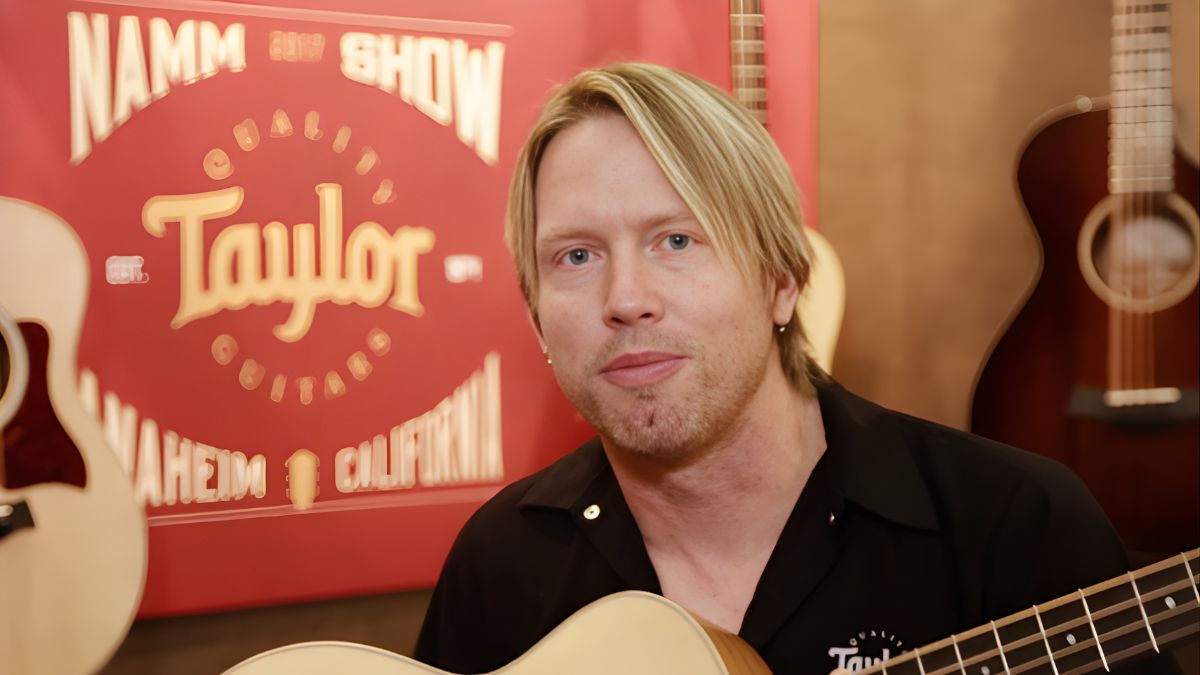
Unlike many musicians, he never chased constant touring or the main spotlight. His focus remained on studio work, developing songs, and a friendship with Axl Rose that began years earlier back in Indiana. That relationship played a big part in what happened next as the rock world continued to shift around him.
Early Life in Lafayette
Tobias spent his early years in Lafayette, Indiana, during the late 1960s and 1970s. Born on April 4, 1963, he grew up in a typical Midwestern town where music offered a way out from daily routines. Local bands and garage rehearsals existed, but opportunities were nothing like what musicians found on the coasts. He picked up the guitar at a young age and began writing songs while still a teenager. Those years created the base for his future collaborations.
During that time he met William Bruce Rose Jr., who later became known as Axl Rose. The two shared a serious interest in music that went beyond casual listening. They often talked about forming a band and exchanged ideas on lyrics and riffs. The friendship lasted. When Axl decided to move to Los Angeles looking for larger opportunities, Tobias stayed behind for some time but they kept in touch. Eventually the pull of the California music scene brought him west as well. He relocated in the early 1980s, trading the quiet streets of Lafayette for the busy environment of Hollywood. Settling in proved challenging at first. He took various jobs to cover rent while attending auditions and continuing to write. Those initial months tested his determination, but staying connected with Axl helped keep him on track.
Hollywood Rose and First Songwriting Credits
After arriving in Los Angeles, Tobias joined Axl in a group called Hollywood Rose. The band never broke through to mainstream success, but it gave him valuable experience. In 1983 they put together a demo tape that featured two tracks he co-wrote with Axl. One song was Shadow of Your Love. The other was Back Off Bitch. Both captured the raw style the pair wanted to create, mixing strong guitar riffs with straightforward lyrics. Hollywood Rose did not stick around for long. Axl soon moved on to form Guns N Roses in 1985 and carried some of the material forward.
Tobias stayed involved from the sidelines. When Guns N Roses recorded Appetite for Destruction in 1987, they cut Shadow of Your Love during the sessions even though it did not make the final album. The track later appeared as a B-side for the single It’s So Easy. The album credits still included thanks to Tobias under the name Paul Huge. That small mention marked his first official tie to the band that would shape much of his career. Back Off Bitch showed up again a few years later on Use Your Illusion I in 1991.
The song had gone through some changes by then, yet the original writing credit remained with Tobias and Axl. Those early contributions brought him publishing royalties over the following years as the albums continued selling millions worldwide. The income started modest, but it provided reliable support while he played in local bands and worked on new songs.
Entering Guns N Roses in 1994
The mid-1990s brought several changes inside Guns N Roses. After Gilby Clarke left the rhythm guitar position following the Use Your Illusion tour, Axl contacted Tobias to take over the spot. The move happened fast and without input from the rest of the band. Late in 1994, Tobias stepped into the rhythm guitarist role. His first recording with the group became a cover of the Rolling Stones song Sympathy for the Devil for the Interview with the Vampire soundtrack. He handled both rhythm and lead guitar on the track, including an overdub solo that created some immediate tension.
Slash, who served as the band’s main lead guitarist then, was not happy about it. People close to the sessions described the atmosphere as difficult. The added solo quickly became a symbol of changing power dynamics within the group. Several members viewed Tobias as someone Axl brought in rather than a natural choice. Others saw it as Axl taking more control over the creative direction. Despite the friction, Tobias remained part of the lineup. He started working in the studio on new material almost immediately. The band had already begun recording what would much later turn into Chinese Democracy, although nobody realized how long the entire process would take.
Tensions and the Studio Focus
The period after 1994 featured nearly constant lineup shifts. Drummers and bassists came and went. Through it all, Tobias became one of the more consistent figures in the studio. He spent much of the late 1990s jamming and recording ideas alongside keyboardist Dizzy Reed and guitarist Robin Finck. Those sessions produced early versions of several songs that eventually appeared on Chinese Democracy. By 1997 he had moved into a full-time studio position. He helped arrange material and added guitar parts across many long recording periods. One track that came out of this time was Oh My God, which he co-wrote with Dizzy Reed.
The song appeared on the End of Days soundtrack in 1999 and gave fans an early look at the heavier direction the new material was taking. Tobias did not participate in major tours during these years. He preferred to stay focused on studio work. That decision kept him away from the exhausting road schedule that affected other members, but it also meant he stayed out of the public eye more than some expected. Certain critics and longtime fans questioned his position in the band. Many of them traced internal problems back to the Sympathy for the Devil recording session. Tobias rarely commented on the criticism in public. Instead he kept showing up for studio dates and contributing whenever Axl asked.
Live Debuts and the 2001 Shows
Tobias finally performed live with Guns N Roses in January 2001. The band played two shows at the House of Blues in Las Vegas, marking their first full concerts in almost eight years. A few weeks later they appeared at the Rock in Rio III festival in Brazil in front of a massive crowd. During both sets Axl introduced Tobias as someone who had helped hold the band together through tough times. He played rhythm guitar and covered some lead parts when required. The performances went reasonably well, but they turned out to be exceptions rather than regular appearances. He joined the band for two more dates in Las Vegas that December.
Those four shows represented the total extent of his live work with the group. The limited touring schedule matched his preference for studio work over life on the road. By the middle of 2002 the band added Richard Fortus as the new rhythm guitarist. Tobias stepped back from the performing lineup at that point. People described the change as amicable. No big announcement followed right away, but his name gradually disappeared from tour information. He had spent eight years connected to Guns N Roses, with most of that time spent working behind the scenes.
Building Chinese Democracy
When Chinese Democracy finally came out in 2008, it gave listeners a chance to hear much of what Tobias had helped develop over the years. He earned co-writing credits on seven tracks, including Chinese Democracy, Street of Dreams, There Was a Time, Catcher in the Rye, Riad N’ the Bedouins, I.R.S., and Prostitute. In addition he played rhythm guitar on ten songs and added piano on There Was a Time. He also received arrangement credits on two tracks. The album had taken more than a decade to complete and carried a very high production cost. Tobias’s input contributed to its complex, layered sound.
The songs combined traditional hard rock elements with electronic touches and orchestral arrangements. While reviewers commented on the album’s density, its commercial performance fell short of the band’s earlier records. Chinese Democracy sold about 500,000 copies in the United States during the first couple of months and reached roughly one million copies worldwide over time. Tobias received a meaningful share of the publishing income from those seven tracks through mechanical royalties, performance rights, and later digital streaming. Although the album did not reach the sales levels of Appetite for Destruction, its long creation period meant royalty payments continued steadily for years afterward.
Mank Rage and Life After the Band
Once he left the active Guns N Roses lineup, Tobias turned his attention to other musical projects. He had started a band called Mank Rage some years earlier with vocalist Dave Lank and a few other musicians. The group worked with material recorded both before and during his time with Guns N Roses. Demos from the project appeared online around 2006 and again in 2013. Songs such as It’s Funny and Junkie showed a more direct hard rock approach with personal lyrics.
No full album ever received a major commercial release, but the available demos kept his name active among dedicated fans. Tobias maintained a relatively low profile through the 2010s and beyond. He kept occasional contact with Axl and contributed to some later Guns N Roses releases. Shadow of Your Love received an official release in 2018 as part of the expanded Appetite for Destruction reissue. He also received writing credits on the singles Hard Skool in 2021 and Perhaps in 2023.
Those new tracks added fresh royalties to his catalog. Outside of music he reportedly looked into other business areas, possibly including real estate or financial investments, although he kept most details private. Moving away from full-time band responsibilities gave him more control over his schedule and allowed him to manage his earnings and investments with greater flexibility.
Breaking Down the Net Worth
Several factors over more than thirty years contributed to the $2.5 million net worth. Early writing credits on Use Your Illusion I generated ongoing royalties as the album sold millions of copies around the world. The work on Chinese Democracy added another important layer. Seven co-writing credits plus guitar performances on multiple tracks gave Tobias a solid portion of the album’s mechanical royalties and performance payments. Typical songwriter royalty rates provide several cents per unit sold along with performance fees tracked by collecting organizations for radio airplay and streaming. Even moderate streaming numbers for songs like I.R.S. or Street of Dreams accumulate nicely over many years.
The entire Guns N Roses catalog keeps producing revenue through licensing agreements, reissues, and digital platforms. Although Tobias missed out on some of the large touring earnings that headline acts often receive, his emphasis on studio work helped control expenses and gave him room to invest his income elsewhere. Those investments combined with careful handling of his publishing rights brought the total to its current level. Observers in the music industry point out that songwriters with credits on multi-platinum records frequently reach similar net worth figures without becoming widely recognized public figures.
Lasting Role in the Guns N Roses Story
Tobias never appeared particularly interested in the level of fame that surrounded the original Guns N Roses lineup. Most of his work took place in the writing room and recording studio rather than on arena stages every night. Some fans continue to argue that his arrival in the mid-1990s sped up the band’s internal divisions. Others believe the songs he helped create for Chinese Democracy demonstrated his real value to the project.
The album may not have matched the massive commercial success of the band’s 1980s releases, but it showed Axl’s vision moving forward with support from longtime associates like Tobias. In the larger picture his career demonstrates that success in rock music can look quite different from one person to the next. It does not always require endless tours or constant media attention. Sometimes it simply means showing up for the long recording sessions, adding the right parts, and allowing the music to stand on its own. The royalties that keep arriving provide a quiet reminder of that consistent effort. For Tobias the music and the friendship that started back in Lafayette have remained at the center of what he accomplished.