| Category | Details |
|---|---|
| Full Name | Ronald Jay Thal (Ron “Bumblefoot” Thal) |
| Date of Birth | September 25, 1969 |
| Place of Birth | Brooklyn, New York, United States |
| Nationality | American |
| Occupation | Guitarist, Songwriter, Producer, Multi-instrumentalist |
| Years Active | 1980s – present |
| Estimated Net Worth | $5 million (as of 2026) |
| Spouse | Jennifer Thal |
| Children | Not publicly disclosed |
| Most Known For | Guitarist for Guns N’ Roses (2006–2014) on Chinese Democracy, solo career with albums like The Adventures of Bumblefoot, Abnormal, and …Returns!, member of Sons of Apollo and Art of Anarchy, hot sauce brand |
| Latest / Upcoming | Solo projects, guest appearances, and production work (2026) |
Ron “Bumblefoot” Thal has been grinding away in the rock and metal scene for more than thirty years now, working as a guitarist, songwriter, producer, and steady band member. His net worth stands at $5 million. That number comes from a long stretch of solo albums, big tours, production gigs, and a handful of other moves that kept money coming in even when the industry kept changing underneath him. He never chased the next big thing or looked for easy routes. Instead he just kept showing up and figuring things out as he went.
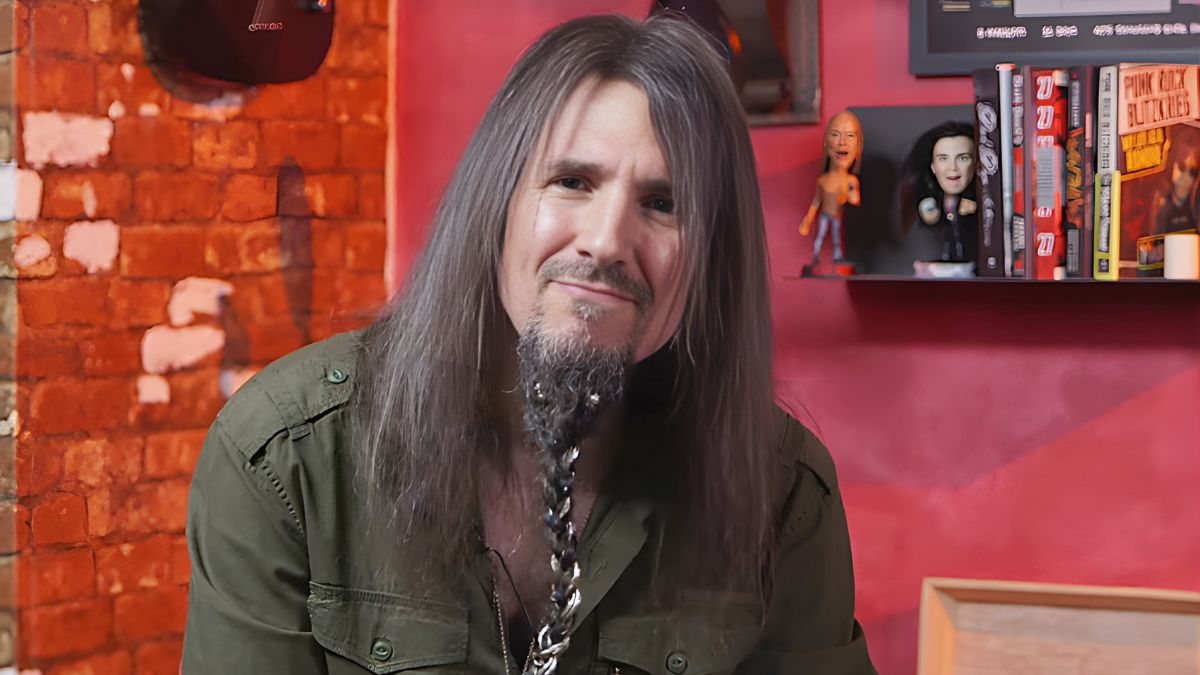
Roots in Brooklyn
Ronald Jay Blumenthal came into the world on September 25, 1969, right in Brooklyn, New York. He grew up in a Jewish household and later on moved with the family to the Bay Terrace section of Staten Island. Music hit him early. When he was six he put on Kiss’s Alive album and decided that was what he wanted to do. His hands were still too small for a bass guitar, so he grabbed a regular six-string while his brother Jeff took the drums. Right away the two of them started messing around with whatever gear they could dig up around the house.
They used cassette recorders like a makeshift studio. One tape would play into another machine while they layered new parts on top. By the time he turned thirteen he was already writing his own songs and playing covers in local clubs. An eight-track recorder at home let him build bigger arrangements. At sixteen he was handling engineering and production for himself and anyone else who needed it. Those early habits of recording everything himself stuck with him and quietly shaped the way he handled music for the rest of his career.
Local bands kept him busy through the late eighties. He played in a group called Legend and another cover outfit nicknamed Leonard Nimoy that threw together Guns N’ Roses, AC/DC, Kiss, and Aerosmith tunes. The gigs paid a few bills and gave him plenty of stage time, but they also taught him how to read different crowds and roll with changing lineups. In 1989 he entered the Sam Ash Guitar Solo Contest and took first place with an off-the-cuff performance. Around the same period he mailed a demo to Mike Varney over at Shrapnel Records. That landed him a spot in Guitar Player magazine’s new-talent column, where his mix of classical, blues, jazz, and everything else caught people’s attention.
Building Momentum in the Early Nineties
The magazine mention opened a few doors. He kept playing around town while he tightened up his home recording rig. By 1993 another guitar publication called his style ridiculous in the best possible way. Mid-decade he set up his own production company, Hermit Inc., which gave him more say over what he put out and how the money moved. His first real solo album arrived in 1995. The Adventures of Bumblefoot was an all-instrumental record on Shrapnel. The nickname came from a bacterial foot infection he heard about while his wife Jennifer was studying for her veterinary exams. He borrowed the name for the album and then just kept it as his stage identity.
That record pulled in notice from guitar fans and led to soundtrack work for video games and other spots. He followed it with Hermit in 1997, still on the same label. After that he pulled together a live band version of Bumblefoot and dropped Hands in 1998, with his brother Jeff on drums and a few other players. Touring came next, though constant lineup shifts made things messy. In 2001 he put out an early cut of Uncool that only came out in France before the full U.S. version landed the following year. After the September 11 attacks he renamed another project 9.11 and gave every cent of the proceeds to the American Red Cross.
Those kinds of choices showed he was thinking practically. He wasn’t just writing and playing; he was also trying to keep the projects sustainable. Late in 2001 he broke up the band setup and stuck with Bumblefoot strictly as a solo name. Uncool came out under that banner in 2002 and he headed out on a European tour by himself. Dennis Leeflang from Sun Caged started showing up as a regular drumming partner. A compilation called Forgotten Anthology followed in 2003. Each new release kept his name circulating among fans who liked the technical side of his playing and the way he moved across different styles without much fuss.
The Move to Guns N’ Roses
In 2004 Joe Satriani floated his name to Guns N’ Roses while the band hunted for a new guitarist. Early talks happened, but Thal passed at first. He was still teaching part time and focused on his own records and production work. Two years later, after more back-and-forth and a quick jam, he signed on in 2006 as one of the two lead guitarists, filling the spot left when Buckethead stepped away. His first live show with them was at the Hammerstein Ballroom in New York City on May 12, 2006.
The band had already spent years on Chinese Democracy. Thal added guitar parts to the finished album, which finally dropped in 2008. The recording process stretched out with a lot of secrecy around the material. He later said the sessions felt intense but straightforward, with Axl Rose giving clear direction on what each track needed. His playing ended up on several cuts, and he handled the solos night after night once the band took the new songs out on the road. Tours ran through the United States, Europe, and beyond, hitting arenas and festivals in front of big crowds.
While all that was going on he still found room for his own stuff. Abnormal landed in 2008 while he was deep in the Guns N’ Roses cycle. He mixed live sound for some shows and played covers on television. One of his tracks, Firebrand, became the theme for the American version of MXC, and he popped up on That Metal Show on VH1 Classic. His music turned up in episodes of Hogan Knows Best and The Real World, and he even wrote a few promotional pieces for the New York Islanders. Those extra jobs added to the paycheck and made sure his solo profile didn’t disappear while he was out touring with a major act.
He stayed with Guns N’ Roses until 2014. The run gave him worldwide exposure and reliable money from ticket sales, merch cuts, and album royalties. When he left he did it on decent terms and even offered to help break in whoever came next. Eight years of high-stakes shows and constant travel wrapped up, and he stepped back into his own world.
Returning to Solo Work and New Collaborations
Once he was out of Guns N’ Roses he turned back to the solo catalog he had been building all along. He had already released Barefoot, an acoustic EP, back in 2008 with fresh takes on older material. In 2010 the debut album got a fifteen-year anniversary reissue that came with a full transcription book. That same year he sat in with other bands and played with school kids during tour stops. A string of digital singles dropped in 2011 covers of the Beatles and Elton John mixed with originals written for family members.
His next proper solo album, Little Brother Is Watching, arrived in 2015. He handled recording, producing, mixing, and mastering at home while Dennis Leeflang played drums. The title track picked up early buzz online. Around then he also acted in and scored a couple of independent films, including The Meat Puppet and Gravedigger. Those side projects stretched his skills and brought in extra money from soundtrack work.
Supergroups started filling his calendar too. He joined Art of Anarchy in 2011 alongside brothers Jon and Vince Votta and a few others. Their first album came out in 2015 with Scott Weiland singing. After Weiland died, Scott Stapp from Creed stepped in for the 2017 record The Madness. Thal played guitar and helped write songs. The setup let him work with strong singers while still having a real say in the music.
In 2017 he signed on with Sons of Apollo, a progressive metal outfit that included Derek Sherinian on keys and other seasoned players. The band put out albums and toured steadily, giving him space for more complicated material. From 2019 to 2022 he also spent time with Asia, adding another well-known name to his list of credits. All these projects kept touring money coming in and introduced him to different crowds.
Expanding Into Business and Education
Thal never counted on band paychecks alone. He put together other income streams that helped build his net worth. His hot sauce line, made with a specialty foods partner, runs from milder flavors like Bumblicious to the seriously hot Bumblef**ked. Part of the sales goes to women’s health groups and other causes. The sauces move online and at festivals, and he has pushed them during tours. It fits the way he has always turned personal interests into something that actually pays.
Teaching has been part of the picture for a long time. Back in the early nineties he gave part-time lessons in photography and music to help cover bills. From 2002 to 2004 he worked as an adjunct professor at SUNY Purchase College teaching music production. Later he put together online guitar lessons and showed up in instructional videos. Those gigs offered steady pay and let him pass along techniques he had picked up over decades of figuring things out on his own.
Giving back has run through a lot of what he does. He sits on the board of the MS Research Foundation and supports wildlife conservation and children’s medical programs. He has donated proceeds from albums and played benefit shows. It all points to a longer view that tries to balance the demands of a music career with something that matters outside the industry.
Navigating Industry Changes
The business Thal walked into during the nineties looked nothing like the streaming world musicians deal with today. He has talked about how labels used to hand out advances that basically worked like high-interest loans against future sales. Streaming cut per-play payouts even more and pushed most of the marketing and merch work onto the artists themselves. A lot of players now feel like they are basically traveling salesmen for their own brand. Thal adjusted by keeping production at home, holding on to the rights for his solo work, and spreading into teaching, sauces, and scoring jobs.
His early comfort with home recording gave him an advantage. When label budgets shrank he could put music out without waiting for permission. Video game and TV placements brought upfront cash that helped during the slower stretches between tours. Those decisions added a layer of stability that let him keep moving forward without depending on any single big break.
Recent Projects and Continued Output
This past January Thal put out …Returns!, his first full instrumental solo album since the 1995 debut. The double-vinyl release came with detailed artwork and a special pressing that paid as much attention to the packaging as to the music. It marked thirty years since his first Shrapnel record and arrived after a decade without a complete solo project. The album reminded longtime fans where he started while showing he is still willing to play with structure and sound.
He keeps taking guest spots and working with different acts. Production jobs for other musicians fill his schedule, and he stays visible through live streams and social media. At fifty-six he shows no interest in slowing down. He picks projects that actually interest him instead of chasing whatever is hot at the moment.
What the Numbers Represent
That $5 million has come together through the steady layering of the various income streams that have been part of his career from the start. The Guns N’ Roses years delivered the biggest single bump, but the real foundation is the way he has always kept multiple things running at once. Real estate or quiet investments may play a part too, though he keeps those details private.
What matters more than any single windfall is the gradual build. People who follow the industry point out that musicians who last tend to treat the whole thing like a small business. Thal has done exactly that. He produces his own records, controls distribution when he can, and turns hobbies into actual products. That approach has kept him on solid ground in a field where plenty of his peers hit rough patches once the spotlight moves on.