Beyoncé Knowles-Carter hit the billion-dollar mark by the close of 2025. Forbes pegged her net worth at exactly $1 billion right around then, slotting her in as the fifth musician to cross that line after her husband Jay-Z, Taylor Swift, Rihanna, and Bruce Springsteen. She brought home roughly $148 million before taxes that year, which put her third on the list of highest-paid musicians. The bulk of it rolled in from touring, her owned music catalog, and a tight group of brand deals that actually fit her. Come March 2026 the figure has stayed pretty much locked in place because nothing major like a new tour or album drop has surfaced yet to shake things up.
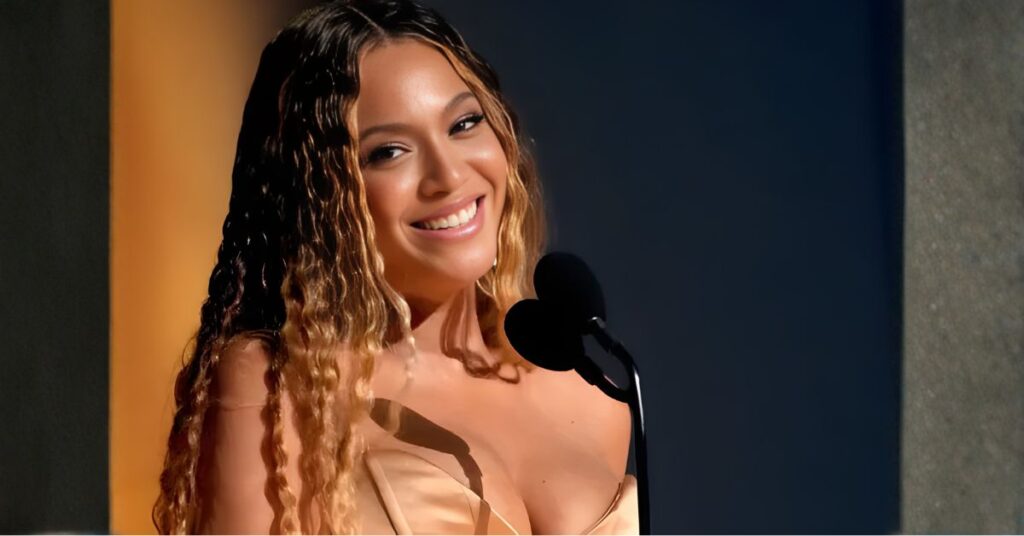
What really stands out about the way she stacks her money is how much control she keeps. Parkwood Entertainment, the company she set up years ago, handles pretty much everything from the tours to the films and the releases. That setup means she pockets a bigger cut than most artists ever see. It is not some overnight windfall either. The growth built up over time, turning a solid career into a nine-figure fortune without her having to sell off a chunk of herself or chase every big investor check that came along.
From Destiny’s Child Days to Going It Alone
She got her start back in the late ’90s with Destiny’s Child, the Houston group that moved more than 60 million records worldwide before they called it quits in 2005. Those early years gave her a crash course in how the business side worked, from stage time to contract talks. When she stepped out solo with Dangerously in Love in 2003, she already had a pretty clear idea of what she wanted to own and what she wanted to protect. The album sold millions and kicked off a Grammy streak that still has not stopped.
Each record after that pushed the envelope a little further. B’Day in 2006, I Am… Sasha Fierce in 2008, and 4 in 2011 all showed her taking more say in the creative end and the money end. By the time the self-titled Beyoncé landed as a surprise visual album in 2013, she had already started changing how artists could get music straight to fans. Lemonade in 2016 took the same idea and ran with it, mixing the songs with film and tying the whole thing back to her own production outfit. These projects did more than just move units. They taught her how to run budgets, renegotiate with labels, and hold on to rights that most people sign away in their first big deal.
By the middle of the 2010s she had moved past the usual artist-label split on a lot of her work. That shift set her up for the kind of margins she enjoys now. The early calls she made around publishing and master recordings have added hundreds of millions to her value over the long haul. The catalog she sits on today keeps paying out year after year, even when she is not out on the road dropping new music every season.
Parkwood Entertainment as the Real Engine
Parkwood is where the real work happens. She launched it back in 2008 to cover music, film, touring, everything. Running things in-house cuts out a lot of the middlemen and keeps more of the profit inside her circle. On tour, Parkwood teams up with Live Nation but still calls most of the shots on ticket prices, merch, and sponsorships.
Parkwood also looks after the visual albums and the concert films. The Renaissance movie that hit theaters added another revenue stream with a split that skipped the usual studio cuts. None of this feels flashy when you look at it one piece at a time, but it adds up fast. One-off tour money turns into assets that keep working long after the lights go down.
How the Tours Became the Biggest Payday
Live shows have turned into her single largest money maker, and the numbers back it up. The Renaissance tour set a high bar, becoming the top-grossing tour by a Black artist and by a woman at the time. Some nights the average take cleared $10 million. The production costs were heavy, sure, but owning the company meant those expenses fed back into higher net returns rather than disappearing into someone else’s pocket.
The Cowboy Carter Tour in 2025 took things even higher. It ended up as the year’s biggest tour overall. Ticket sales alone cleared the $400 million mark, merch added $50 million on top, and Parkwood’s control kept external fees low. The move into country sounds on Cowboy Carter opened up new crowds without losing the core fans who had been there from the start. The album opened with 407,000 equivalent units in week one, including huge streaming numbers that kept feeding the catalog royalties right through the tour dates.
She also picked up a reported $50 million payday for the Christmas Day NFL halftime show on Netflix, plus another $10 million or so from a Levi’s spot. Those deals were not random. She only took the ones that matched her brand and gave her final say on how they looked. That kind of selectivity keeps the money coming without turning her into a walking billboard.
Breaking Down Where the $148 Million Came From
Taxes and overhead obviously take a bite, but the net number still pushes her wealth higher every year. What separates her from a lot of other big names is the ownership piece. Most artists walk away with 10 to 20 percent of gross tour revenue after everything is paid. Her setup gets her closer to half or more on her own productions. That difference compounds over time and explains why she crossed the billion-dollar line while still staying selective about what she puts her name on.
Owning the Masters and Why It Matters
Holding on to her masters and publishing rights is one of the smartest long-term plays she has made. After 2010 she started keeping control of new releases through Parkwood. Older deals got renegotiated or bought back when she could. The result is a library that pays every time a track streams or lands in a sync deal.
Cowboy Carter alone racked up hundreds of millions of streams in its first year. Songs like “Texas Hold ’Em” crossed over to country radio and pop playlists, stretching their earning life way beyond the usual window. Add in the back catalog and you have a floor that keeps rising even in quieter years. Industry analysts put the music assets in the several-hundred-million range, though the exact split stays private. The structure itself is what counts. It protects against streaming-rate drops and gives her steady income no matter what the next album cycle looks like.
Streaming changed the game for everyone. Physical sales used to mean quick cash, but now consistent catalog performance is where the real money sits. Beyoncé saw that shift coming and built around it. She drops music when she is ready, promotes it her way with visuals and tours, and then lets the catalog do the heavy lifting afterward.
Ventures Outside Music That Actually Fit
She has never put all her eggs in the music basket. Ivy Park, the athleisure line she started in 2016 and later partnered on with Adidas, generated revenue and equity for a while before the collaboration wrapped. It was never meant to be the main wealth driver, just another piece that made sense at the time.
The more recent launches show an even tighter focus. Cécred, her hair-care line aimed at all textures, hit retail hard and moved product quickly. SirDavis, the whiskey she developed with her father, found space on high-end shelves without trying to be everywhere at once. Both brands run under Parkwood, so the margins stay inside the company instead of leaking out to partners.
These moves add real diversification without the risk of overexposure. She steers clear of blanket endorsement deals that could water down her image. Each venture ties back to something personal, whether it is family roots or her own experience. The approach keeps the volume lower but protects the value over the long run.
Property Portfolio and the Bigger Picture
Real estate forms a visible part of what she and Jay-Z have built together. The couple owns around seven homes valued in the neighborhood of $500 million, though the exact split between them stays private. Standouts include the $200 million Tadao Ando-designed place in Malibu they picked up in 2023, an $88 million estate in Bel-Air, and a $26 million Hamptons property. Other homes in New York and elsewhere round things out.
These are not purely investment flips. A few serve as primary or secondary residences. Still, the properties appreciate and offer tax benefits when structured right. Some carry mortgages that spread payments over time while locking in today’s values. Beyond bricks and mortar, the couple holds stakes in various startups and other assets, but Beyoncé’s personal investments tend to stay low-key. The emphasis stays on things that either generate income or hold value rather than chasing the latest hot speculation.
The Combined Carter Family Wealth
Jay-Z’s net worth, now estimated well north of $2.5 billion, brings their joint fortune close to $3.5 billion. Their businesses cross paths now and then. Parkwood and his Roc Nation have worked together on tours and events, and the shared real estate amplifies what they can do. The family side shows up in smaller ways too. Blue Ivy has appeared in tours and picked up credits on tracks, but those remain creative choices more than financial drivers. The overall setup keeps the wealth inside a small, trusted circle.
What Other Artists Can Take From This Path
Her career offers a pretty clear roadmap. Early ownership, in-house production, and careful diversification cut down reliance on labels or outside promoters. The model takes upfront money and patience, but it compounds in a way that standard deals rarely do. Plenty of artists still trade rights for advances. She bet on herself early and the results speak for themselves.
People who watch the industry closely often point to her as proof that control beats sheer volume. Tours have replaced album sales as the top earner for superstars. By owning the tour operation, she captures more of that shift. Catalog ownership shields her from streaming-rate swings. Brand work stays limited to projects that line up with her values and give her approval rights. That discipline is not flashy, but it is effective.
Where Things Stand Heading Into the Rest of 2026
As of right now in March 2026, no new tour or album has been locked in. Hitting the $1 billion mark gives her options. She could stretch the Cowboy Carter run with residencies or international dates. New music in any direction remains possible given how she has reinvented herself before. Business moves in beauty or spirits could grow if the early launches keep performing.
The bigger market helps too. Live entertainment spending has stayed strong since the pandemic recovery. Catalog streaming keeps climbing as playlists do their thing. Prime real estate holds or gains value in most cycles. Barring some major economic turn, her net worth should keep edging higher through passive income and whatever she decides to put out next.
The foundation she put in place is what matters most. Ownership, control, and patience turned talent into something that lasts. The 2026 numbers will depend on her next moves, but the structure is already there to keep the gains rolling in.