Celebrity money looks different these days. By 2026 it is not just about the next big paycheck from a movie or a tour. The ones sitting at the top have turned their names into full businesses. They own pieces of what they create, cut equity deals that keep paying, and build fan loyalty into cash that rolls in long after the cameras stop. Some came up in the old studio system and learned to play it smarter. Others started in music or on the court and saw chances others missed. The figures here pull from the latest estimates that count ticket sales, brand stakes, and investments. What stands out is how these fortunes keep growing even when the person steps back a bit. Ownership is the real game changer now. Here is how the top ten stack up this year.
1. Steven Spielberg: $7.1 Billion
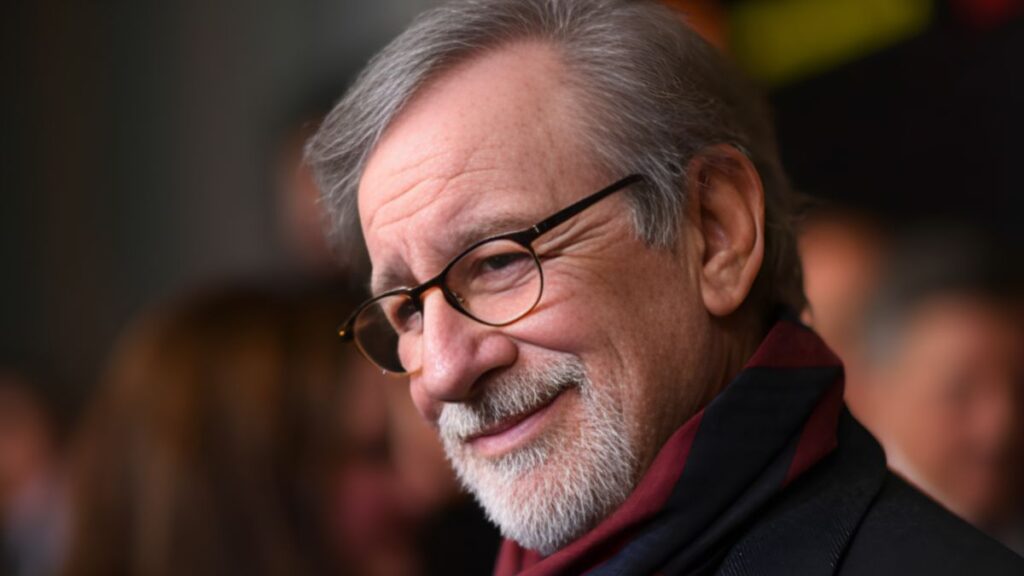
Steven Spielberg has been making hits since the 1970s, and the money has followed in ways most directors never touch. He broke out with Jaws, then delivered E.T. the Extraterrestrial and the whole Indiana Jones run. But the real move was how he wrote his contracts. He took lower upfront pay in exchange for backend points on profits. That gave him a cut of the money years after the film wrapped.
Over time he co-founded DreamWorks in 1994 and later sold chunks while keeping real influence. He also locked in a percentage of every ticket sold at Universal theme parks for rides built around his movies. Jurassic Park attractions still pull in steady cash all these years later. People who track Hollywood finances say this kind of ongoing royalty is rare, and it explains why his net worth holds strong even now that he is 79.
He keeps directing too. His next film, Disclosure Day, is due out in a few months. In the meantime he runs Amblin Entertainment and stays involved in deals that feed the machine. The approach has always been straightforward. Make films people remember and own a piece of the upside. It has paid off bigger than anyone expected. Other directors have tried similar setups, but few have hit the scale Spielberg reached.
What really pushed his numbers higher in recent years was the combination of those theme park royalties and smart content deals through Amblin. Reports from a few years back put the Universal slice alone at thirty to fifty million dollars a year, and that figure has only climbed with park attendance. Add in the backend from blockbusters like the Jurassic Park series, where he reportedly cleared two hundred fifty million dollars on the first one, and the total starts to make sense.
At this point his wealth is not tied to any single project. It is the result of decades of thinking like a businessman while still making movies that matter. Industry veterans point out that Spielberg showed up on wealth lists as far back as 1994, but he only claimed the top spot in 2025 and held it into 2026 because he never stopped building the foundation.
2. George Lucas: $5.2 Billion
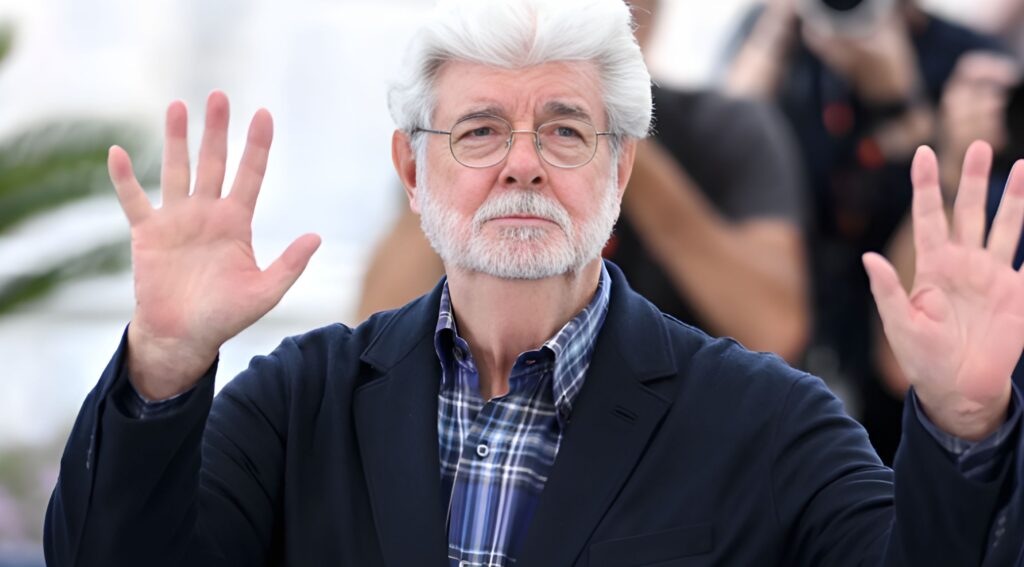
George Lucas changed movies when he created Star Wars, but he changed his own bank account even more by keeping control of the rights. Back in 1977 he took a smaller directing fee from Fox in exchange for merchandising and sequel rights. At the time studio lawyers thought they got a great deal. Lucas walked away with something that turned into billions. Toys, books, games, everything Star Wars related generated cash for decades.
He sold Lucasfilm to Disney in 2012 for about four billion dollars in cash and stock. That deal alone put him on another level. But he had already built most of the value through those early merchandising choices. Even after the sale he kept his hands in philanthropy and pushed the Lucas Museum of Narrative Art, which is opening in Los Angeles this year. The project has cost hundreds of millions, yet it shows how he handles money outside the film world.
Folks who study these deals say Lucas’s decision to hold onto merchandising was one of the sharpest in Hollywood history. It gave him leverage when studios were still figuring out how much franchises could be worth. He has stayed mostly out of daily production since the sale, but the Star Wars universe keeps expanding under Disney and he still benefits from the original agreement.
Now at 81 he has stepped back, but the fortune has not. The museum work and earlier investments keep things moving. The takeaway for younger creators is clear. Fight hard for the rights up front and think beyond the first paycheck. Lucas proved that one smart negotiation can outlast any single film.
3. Michael Jordan: $4.3 Billion
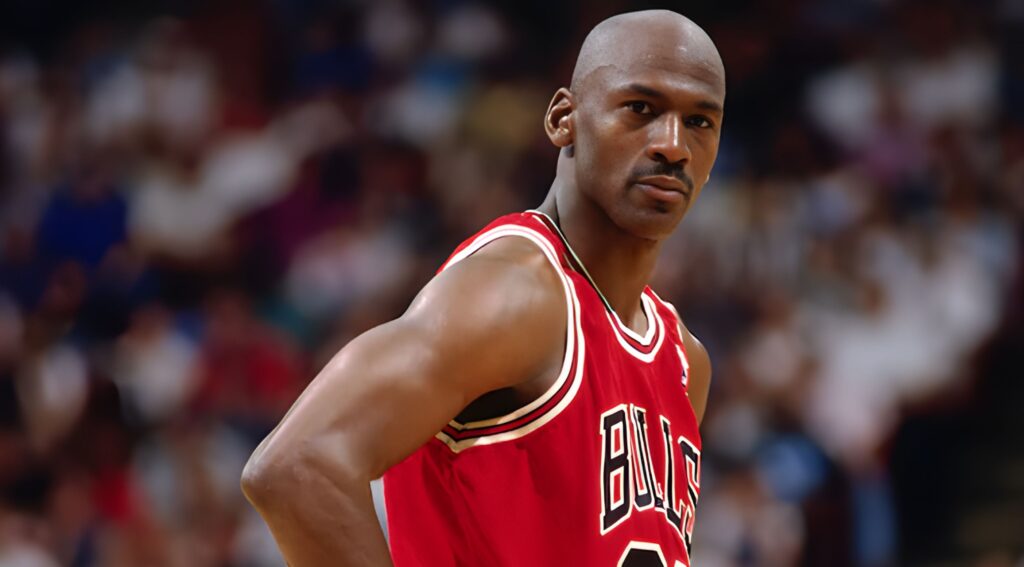
Michael Jordan made ninety million dollars in salary during his NBA career, but that was just the start. The real money came from endorsements, especially Nike. The Jordan Brand has paid him well over two billion dollars pretax through royalties, and it still brings in hundreds of millions every year long after he left the court.
He owned the Charlotte Hornets for years and sold most of his stake in 2023 when the team was valued around three billion dollars. He kept a minority piece, so that investment keeps working. Jordan has put money into other areas, but the Nike deal remains the core. People who follow athlete endorsements say his arrangement with Nike set the bar that everyone else has chased since.
At 63 he keeps a quieter profile these days, yet the wealth compounds on its own. The Jordan Brand feels like a cultural staple now, and that has translated into real staying power. He showed that a sports career can pay dividends for decades off the court when the branding is done right. The numbers jumped again in 2026 partly because Jordan Brand sales stayed strong and his remaining Hornets stake held value.
4. Vince McMahon: $3.6 Billion
Vince McMahon took a regional wrestling operation and built it into a worldwide entertainment business. He turned the World Wrestling Federation into WWE, took it public, and expanded everywhere. The company created stars who moved into movies and pop culture. When WWE merged with the Ultimate Fighting Championship to form TKO Group Holdings, McMahon cashed in on years of ownership. He sold down his stake gradually but kept enough to stay high on the list.
The money came from owning the content, the live events, and the merchandise. Television deals, streaming, and ticket sales added up to billions over time. He stepped away from daily operations a while back, but the business he started keeps generating. Observers in the sports entertainment space say his push into global markets paid off when other promoters stayed smaller.
Now 80, McMahon has watched the industry evolve, yet the structure he put in place holds up. The TKO stock and earlier sales locked in the fortune. It is a solid example of how controlling live events and characters can create value that lasts longer than any one performer.
5. Oprah Winfrey: $3.2 Billion
Oprah Winfrey started with a local talk show in the 1980s and built it into something much bigger. The Oprah Winfrey Show ran for twenty five years, and she owned the rights through Harpo Productions. That ownership let her keep most of the profits instead of just taking a salary. When the show ended in 2011 she moved into the OWN network and produced movies like The Color Purple and Selma.
She has bought a lot of real estate, including more than two thousand acres in Hawaii and properties scattered across the country. The holdings give her both personal space and steady value growth. Winfrey has backed different businesses and causes, but the foundation is still the content she controlled and the way she reinvested the earnings. Media watchers note that owning her own show early on was the decision that changed everything.
At 72 she still produces and appears when she wants, but the operation runs mostly on autopilot. The model of creating an asset that earns while you step away has worked exceptionally well.
6. Jay-Z: $2.8 Billion
Jay-Z moved from Brooklyn rapper to full scale mogul by making one smart move after another. He started Roc A Fella Records, then Roc Nation, and used his music to launch other businesses. The biggest jumps came from liquor. He sold half of Armand de Brignac champagne to LVMH in 2021 and a majority of D Usse cognac to Bacardi in 2023. Those transactions brought in hundreds of millions each.
He also got in early on Uber and built an art collection that has grown in value. The music catalog still pays royalties, and Roc Nation manages artists and athletes. At 56 he has turned cultural influence into ownership stakes that keep delivering. Music business analysts say his focus on equity in growing companies became a blueprint for others in the same lane.
The fortune has nearly tripled lately because of those brand sales and investments. He releases music now and then, but the business side drives most of the growth.
7. Taylor Swift: $2 Billion
Taylor Swift hit billionaire status in 2023 and kept climbing fast. The Eras Tour alone grossed close to two billion dollars. She owns her music through re recordings, which means she controls the masters and collects full royalties. That move came after earlier rights disputes, and it has paid off big.
Merchandise, streaming income, and real estate fill out the rest. At 36 she has combined huge touring numbers with complete control of her catalog. Music industry people say few artists have reclaimed their work value so effectively. The tour economics broke records because of high demand and pricing.
She still releases albums and tours when it fits, but the ownership setup makes the money grow even in quieter periods.
8. Kim Kardashian: $1.9 Billion
Kim Kardashian first became a household name through Keeping Up with the Kardashians. She turned that platform into real businesses. Her shapewear line Skims hit a five billion dollar valuation in its latest round, and she holds a large ownership share. She also runs a skincare brand and keeps endorsement deals going.
At 45 she has shifted from reality television to full time entrepreneur. The show opened the door, but the brands built the wealth. Retail experts point to her direct to consumer model and social media reach as keys to the rapid scale. Skims has moved into new product lines and markets overseas.
She still shows up in media, but the business operations carry the numbers now. The approach of using fame to launch products and then growing them has worked better for her than for most who tried the same thing.
9. Magic Johnson: $1.6 Billion
Magic Johnson earned forty million dollars playing in the NBA and made far more afterward through endorsements and investments. He took a majority stake in EquiTrust, a life insurance company managing thirty four billion dollars in assets, back in 2015. That holding forms the main pillar of his fortune. He also owns minority shares in teams like the Los Angeles Dodgers and Washington Commanders.
At 66 he has moved from player to investor and owner. Sports finance people say he got into insurance and franchises earlier than most former athletes. The teams have increased in value, and the insurance business provides steady income.
He still appears publicly and advises on deals, but the portfolio largely runs itself. It is a clear case of spreading beyond endorsements into actual operating companies.
10. Tiger Woods: $1.5 Billion
Tiger Woods pulled in one point nine billion dollars pretax from golf, including prize money and long term endorsements. Nike and other sponsors paid huge amounts over the years. He turned down a nine figure offer from LIV Golf and stayed focused on the PGA Tour and his own brand.
At 50 he has invested in golf businesses and real estate. Endorsements continue, though at a slower pace after injuries. Golf insiders say his impact on the sport’s popularity created chances that went well beyond playing. Prize money set records, but the multiyear brand contracts made up the bulk of the wealth.
He still competes when he can and works on course design and other projects. The money has stayed steady because the early deals were built to pay over time. Woods showed that being dominant in an individual sport can lead to decades of financial security when the partnerships are chosen carefully.
Looking across the list, these ten all share one trait. They stopped relying on fame alone. They negotiated for ownership, started brands, and put money into assets that work without them being on stage every day. In 2026 the worlds of entertainment and sports reward people who run things like business owners. The totals will shift as new tours start and markets move, but the rule stays the same. Build something that lasts past the performance, and the money will keep coming.