Kim Kardashian has turned herself into one of the most valuable names in business right now. Her net worth sits at about $1.9 billion heading into the middle of 2026, according to the latest Forbes numbers. That is not some overnight windfall from a viral moment. It comes from years of taking the spotlight she already had and converting it straight into ownership pieces, product lines, and actual stakes in companies that keep paying off. The biggest chunk ties back to SKIMS, the brand that changed how a lot of women shop for basics, but there is more going on beneath the surface.
She got her start in front of cameras years ago, long before anyone talked about her as a serious entrepreneur. The reality show gave her a platform most people only wish for, yet she did not just cash checks from appearances. She used the attention to launch direct sales and later move into bigger investments. Public drama, personal changes, and market swings all played a part along the way. What matters in 2026 is how those early decisions built something that still scales even when the headlines quiet down.

The Reality Television Foundation That Powered Early Growth
Keeping Up with the Kardashians ran for over a decade and made the whole family household names. Kim pulled in millions from the show itself, but the real payoff came from the constant visibility. Fans watched her pick outfits, handle business calls, and push through ideas in real time. Every new product launch landed in front of an audience that already felt like they knew her.
When the original series wrapped, the family shifted over to The Kardashians on Hulu. Each season still brings solid money. Reports put Kim’s cut somewhere between $7 million and $8 million per season, depending on how the negotiations land. Those payments keep coming without the same grind as running a full company, so they act like steady fuel while the bigger bets grow.
The show works as marketing without feeling forced. You will catch glimpses of her reviewing samples or sitting in meetings, and it keeps the brands fresh in people’s minds. Some critics roll their eyes at how staged it can look, but the numbers show it connects because it feels like a continuation of what viewers grew up with.
SKIMS Takes Center Stage as the Core Driver of Wealth
SKIMS kicked off in 2019 and moved past basic shapewear faster than most expected. The line focused on inclusive sizing and fits that actually addressed everyday complaints about traditional options. A couple of years in, it branched into loungewear, active pieces, and full collections. By late 2025 the company pulled in another $225 million in funding that bumped its valuation to $5 billion. That round came from heavy hitters like Goldman Sachs Alternatives and BDT & MSD Partners, and it marked a clear jump from the $4 billion mark a couple years earlier.
Kim owns roughly one third of SKIMS. At the current valuation her piece alone sits around $1.67 billion on paper, which explains why it accounts for the bulk of her overall worth. The brand hit the $1 billion net sales mark in 2025, a point that shows both strong online sales and the retail footprint starting to click. Stores are now in key spots, and partnerships keep adding reach.
Retail watchers say SKIMS worked because it fixed real problems while building a connection that felt honest. Women who had settled for uncomfortable undergarments found options that fit across body types without the usual compromises. Marketing leaned on real feedback instead of polished perfection, and that helped it stand out in a space packed with choices. The company also rolled into menswear and wider lifestyle items without losing what made the core line special.
Plans for 2026 already point to bigger international pushes and more category growth. The recent Nike collaboration added fresh credibility and pulled in customers who might not have looked at SKIMS before. None of this happened without bumps. Early supply chain issues and sizing debates tested the team, but they stuck with listening to buyers and fixing things quickly.
Beauty Line Evolution from Standalone Brands to Integrated Play
Kim dipped into beauty well before SKIMS took off. KKW Beauty launched in 2017 with contour kits and lip colors that sold out almost instantly. The direct to consumer setup mirrored what clicked in fashion, and it brought in around $100 million in the first full year. A big cosmetics player bought twenty percent for $200 million back in 2021, which put the whole thing at a $1 billion valuation then.
Later the line became SKKN by Kim and shifted heavier into skincare. That version ran for a few years until Kim bought back the outside stake early in 2025. A few months after that the standalone brand shut down so everything could fold straight into SKIMS. The move cut down on separate overhead and let the company treat beauty as just another piece of the same puzzle.
The idea now is to bring beauty back under the SKIMS name. Early hints point to skincare, fragrance, and color products that match the apparel feel. Pulling it all together opens up cross selling chances. Someone buying shapewear might grab a coordinating body product without switching brands.
This kind of consolidation shows a pattern that has worked for her. She has been willing to close out pieces that are not scaling and redirect energy to what does. The beauty shift did not erase the earlier wins. It just repurposed them under one roof.

Private Equity Moves Add Layers Beyond Consumer Products
SKKY Partners started a few years ago as a way to back other consumer brands. Kim co founded it with people who had deep investment experience, and the first move involved a minority stake in a premium condiments company known for things like truffle sauces. The play targeted a category growing fast among people who want better everyday pantry items.
The firm keeps the focus on brands with real customer loyalty instead of chasing every hot trend. So far the portfolio stays small and picked carefully. More deals are likely in 2026, though details stay quiet until they are ready. The approach gives Kim exposure to new areas without having to build every piece herself.
Private equity also brings a different set of skills into the mix. Board sessions and due diligence feel far from designing products, yet they sharpen the overall business sense. People in investment circles note that the shift shows a move from pure founder mode to someone who now backs other founders too.
Real Estate Holdings Form a Steady Asset Base
Property makes up another steady part of the picture. The main compound in Hidden Hills has grown through a series of smart buys over time. A recent $7 million addition next door expanded the footprint and added more privacy. Overall real estate holdings sit well above $100 million once you factor in Malibu and other spots.
These assets do more than give a place to live. They appreciate steadily and offer a buffer against the ups and downs of consumer brands. Some properties have hosted events or shoots that double as low key promotion. Upkeep and renovations keep costs real, but the long term value still adds up on the balance sheet.
There are no big flip stories here. The choices lean toward locations that fit family life while making financial sense over years.
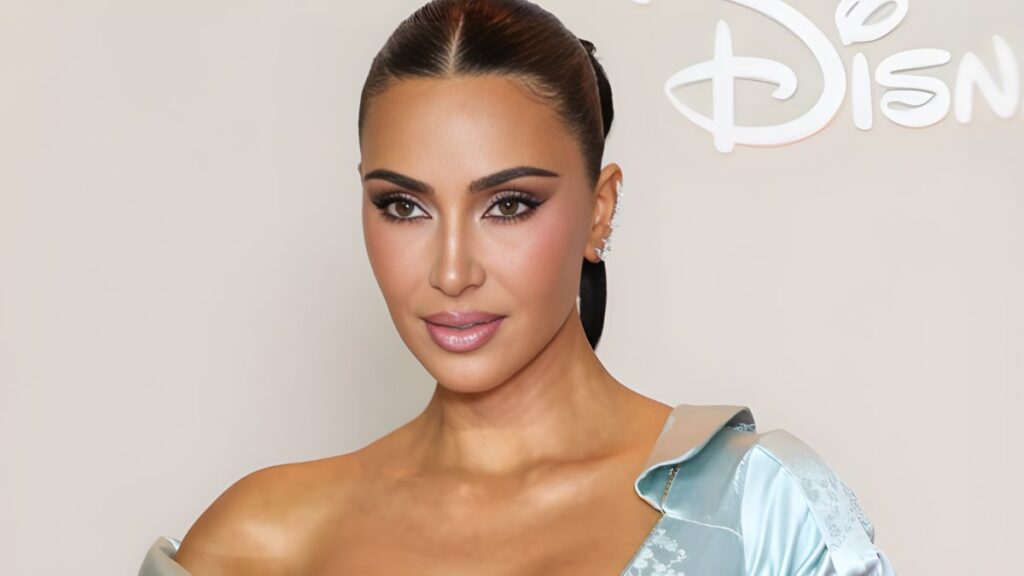
Ongoing Television Work Keeps Visibility High
The Hulu series keeps delivering both checks and exposure. Exact figures stay private, but earlier rounds suggest each main family member clears seven figures per cycle. They shoot batches of episodes at once, which helps fit around the business schedule.
The show also feeds brand interest in a natural way. Scenes where Kim checks fabrics or looks at sales data remind viewers she stays involved. People who watch for the personal side often end up curious about the products anyway.
Outside the family format Kim has taken on acting roles here and there. The reviews are mixed, but the work adds another income stream and keeps her name relevant in entertainment. Juggling that with law studies and the companies takes constant coordination, yet she keeps showing up on all fronts.
Navigating Public Scrutiny While Scaling the Empire
Growth has never been free of pushback. Product drops sometimes drew heat over price or fit, and personal stories occasionally spilled into business talk. Kim has addressed issues head on through social posts and actual changes instead of dodging them. That approach has helped hold onto customer trust over the long haul.
Legal and supply chain questions come up in any big operation. Transparency around labor and materials matters more now in apparel, and SKIMS has moved to meet those standards as they evolve. Funding rounds have also brought more open financial looks than most private companies share.
Family ties play into decisions too. Shared management and overlapping projects can speed things up, but they also mean everyone has to set clear lines to avoid stepping on each other.
What the Numbers Reveal About Sustainability
Break the $1.9 billion net worth down and SKIMS still dominates. The one third stake lands near $1.67 billion based on the latest valuation. Television, endorsements, and licensing add roughly $80 million in a normal year. Real estate and private equity fill in smaller but growing slices.
Those numbers do not count future dilution from more funding or unrealized gains. Consumer trends can shift, and competition stays fierce. Still, the track record points to staying power. SKIMS grew from startup to $1 billion sales without leaning only on the celebrity name.
Industry analysts highlight that the brand built real operations, including solid manufacturing ties and design driven by data. That separates it from brands that flare up and fade. The beauty integration and talk of a possible public offering keep future paths open.
Forward Momentum into 2026 and Beyond
This year the focus sits on wider retail reach and the beauty rollout. International markets still hold plenty of room, and the team keeps testing new categories that fit the comfort first idea. Private equity activity could pick up as SKKY looks at its next targets.
Kim also keeps working through her legal studies. She took the bar exam, hit a setback, and plans to retake it while applying what she learns to criminal justice issues. That track adds weight in policy talks and opens doors beyond straight business.
None of the steps feel thrown together. Each one connects to the last, creating a web of assets that support one another. The empire grew through testing ideas, adjusting fast, and sticking with what worked.
Kim Kardashian’s position in 2026 comes down to ownership more than fame alone. The net worth reflects real pieces of companies rather than short term buzz. As things move ahead the numbers will keep changing, but the habit of turning attention into equity has proven it can last. The months ahead will show how far the model stretches, yet the base already looks built to hold.