| Category | Details |
|---|---|
| Full Name | James Patrick Caviezel Jr. |
| Date of Birth | September 26, 1968 |
| Place of Birth | Mount Vernon, Washington, United States |
| Nationality | American |
| Occupation | Actor |
| Years Active | 1991 – present |
| Estimated Net Worth | $15 million (as of 2026) |
| Spouse | Kerri Browitt Caviezel (married since 1996) |
| Children | Three (adopted) |
| Most Known For | Jesus Christ in The Passion of the Christ (2004), John Reese in Person of Interest (2011-2016), Tim Ballard in Sound of Freedom (2023) |
| Latest / Upcoming | Tim Ballard in Sound of Freedom (2023), Herod the Great in Zero A.D. (2026) |
Jim Caviezel’s net worth stands at $15 million. Born on September 26, 1968, in Mount Vernon, Washington, the actor has spent more than three decades in front of the camera. His path includes early small parts that built slowly into bigger opportunities, a defining performance that changed how audiences saw him, and later work in television and independent films. The numbers come from years of salaries on sets, residuals from popular projects, and careful choices that kept him working without chasing every trend.
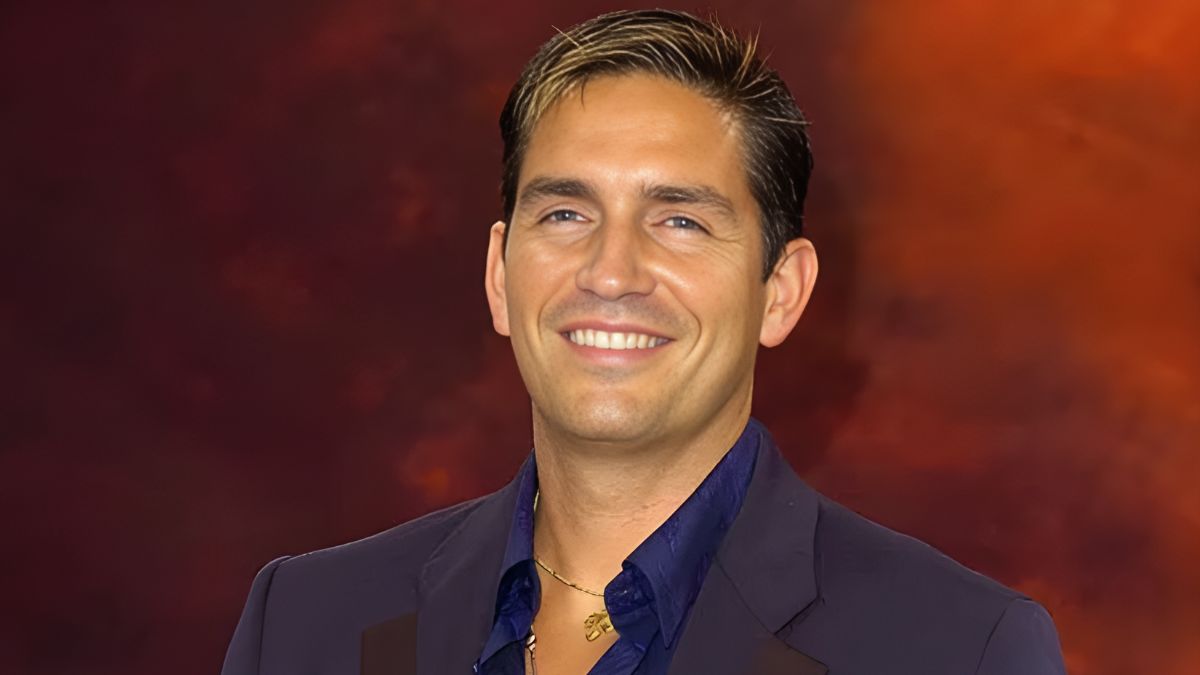
Growing Up in Washington State
Caviezel entered the world as James Patrick Caviezel Jr. to parents who shaped much of his early outlook. His father worked as a chiropractor while his mother handled home duties after spending time as a stage actress. The family included a younger brother named Timothy along with three sisters, Ann, Amy, and Erin. They lived in Conway, Washington, where Catholic traditions guided daily routines and holidays.
School days revolved around basketball. Caviezel stood tall at six foot two and played hard through high school. He started at Mount Vernon High School, moved to O’Dea High School for a couple of years, and finished at Kennedy High School in Burien, graduating in 1987.
The sport felt like a clear future until a foot injury hit during his second year at Bellevue College. Recovery time opened space for something new. He transferred to the University of Washington and took drama classes there. One evening at age nineteen, while sitting in a movie theater, he experienced a quiet sense that acting might be the direction to follow. The injury ended basketball dreams, but it pushed him toward plays in Seattle.
Those local theater nights gave him confidence. He landed a small part in a 1991 film shot nearby and earned his union card from it. Friends and family wondered about the move to Los Angeles that came next. Caviezel packed up anyway, convinced the step made sense even if others saw risk in it.
First Steps in Hollywood
Arrival in California meant auditions and waiting. Caviezel picked up minor roles that paid little but taught the basics of set life. He appeared briefly in a 1992 comedy about boxing and took a supporting part in a 1994 western that featured a large ensemble cast. Television guest spots followed, including one episode of a long-running mystery series in 1995 and another on a coming-of-age show around the same time.
A miniseries western in 1995 put him alongside established names and gave him screen time in a historical setting. These jobs kept bills paid while he learned how directors worked and how crews operated under tight schedules. The parts stayed small, yet each one added experience. By the mid-1990s, Caviezel had appeared in enough projects to feel like a working actor instead of someone still hoping for a break.
Finding His Footing in the Late 1990s
Bigger chances arrived toward the end of the decade. Caviezel joined an action film set on Alcatraz in 1996 and played a supporting character in a military drama released the following year. The real shift came with a 1998 war epic directed by Terrence Malick. He spent time meeting with the director before the role of Private Witt came his way.
Caviezel later mentioned that if the part had not materialized he planned to return to Washington and leave the business. Instead the film brought wider attention and a critics association nomination in the promising actor category.
Another Civil War story followed in 1999. Caviezel portrayed a bushwhacker character in a production that mixed history with personal stories of survival. These two films marked a period where his name started appearing in cast lists for serious dramas.
Work remained steady rather than flashy, but the roles required focus and physical effort that matched his background in sports. He carried the lessons from basketball discipline into long days on location.
Leading Roles in the Early 2000s
The new century opened with a supernatural thriller in 2000. Caviezel played a detective investigating messages from the past in a story that mixed crime with family loss. The film found an audience and showed his comfort in emotional scenes. A romantic drama came next that same year, followed by a lead part in a hydroplane racing story filmed in Indiana. That project wrapped in 2001 but waited until 2005 for a limited release.
In 2001 Caviezel starred opposite a well-known actress in an urban drama about protection and trust. The next year brought a classic adventure tale where he took the main role of a man seeking justice after wrongful imprisonment. Production took him to locations in Europe and allowed time to study the character’s drive for freedom. These parts established him as someone who could carry a picture rather than simply support one. Salaries started to reflect the larger responsibilities, though nothing extravagant arrived yet.
Taking on the Role of a Lifetime
Talks for a religious drama surfaced around 2002. Caviezel first heard about the project through his agent in a roundabout way. A meeting with the director in Malibu lasted hours before the actual offer came up. The director warned that accepting might close doors in mainstream Hollywood. Caviezel recalled answering that each person faces a personal choice about carrying responsibility or letting it weigh them down. He noted his own age of thirty-three and shared initials during the conversation, which surprised the filmmaker.
Filming in Italy stretched over months in cold weather. Caviezel endured extended makeup sessions that began at two in the morning and caused skin problems. One scene involved a whipping sequence where an actor missed a protective board and left a real thirteen-inch cut on his back. The injury became part of the final footage after makeup adjustments.
Pneumonia and hypothermia set in during crucifixion scenes shot in wind and low temperatures. A dislocated shoulder happened when he fell under the weight of a heavy cross prop. Lightning struck during the final day of shooting in a scene set on a hillside. He described the moment as startling, with crew reactions that echoed larger public shocks of the era.
The physical toll lasted afterward. Heart issues required two surgeries and years of recovery. Caviezel spoke later about daily prayers and confessions during production that strengthened his own beliefs. The film opened in 2004 and drew crowds worldwide despite debate over its content. Box office totals reached more than six hundred million dollars, making it one of the top earning R-rated releases at the time. Caviezel viewed the experience as more than a job. It aligned with convictions formed in childhood and confirmed a direction he had already chosen.
Life After The Passion
Release of the drama brought immediate recognition but also a slowdown in offers. Caviezel finished three other films shot before the premiere, including a sports biography, a thriller about revenge, and a supporting turn in a science fiction story with a noted comedian.
These provided continuity while the industry adjusted to his new visibility. He addressed questions about faith publicly and explained that shared roots in tradition made certain accusations difficult to accept.
By 2006 work picked up again. Caviezel appeared as a villain in a time-travel action film opposite a major star. The production earned solid returns and reminded studios of his range in thrillers.
Another lead role in a mystery followed that year. Voice work for an audio Bible project came in 2007, allowing him to contribute without appearing on screen. These choices kept income flowing even when high-budget studio calls stayed quiet.
Caviezel turned down opportunities that clashed with family needs or personal standards. He protected time at home and grew more selective about scripts. The period tested patience, yet it also clarified what mattered most in his decisions.
Steady Work on Television
Television provided a stable platform starting in 2011. Caviezel joined a crime series on a major network as a former operative helping prevent threats through advanced surveillance. The show ran for five seasons and featured one hundred three episodes.
His character appeared in every installment, which meant consistent weekly filming in New York and Los Angeles. Pay per episode reached reported levels that added up significantly over the years.
The series mixed procedural elements with larger story arcs about privacy and justice. Audiences connected with the lead pair, and the production earned award nominations for the cast. Caviezel used the long run to develop a routine that balanced work with home life. When the show ended in 2016 he had logged enough episodes to create financial security while still pursuing film projects on the side.
Returning to Big Screen Projects
Feature work continued alongside and after the series. Caviezel took a part in a historical drama set in the South in 2013 and played a real-life coach in a 2014 sports story about high school football. A western appeared in 2017, followed by a biblical role as a companion to a key apostle in 2018. That film focused on early church struggles and allowed him to explore themes of perseverance.
An action story set in the Middle East came in 2019. Then in 2023 Caviezel portrayed a former agent on a mission to rescue children from trafficking networks. The independent release opened on a holiday weekend and built momentum through word of mouth.
Ticket sales climbed past one hundred million dollars domestically within weeks and reached two hundred fifty one million worldwide against a modest budget. The numbers surprised many observers given the film’s origins outside major studios.
During this time Caviezel also narrated documentaries on religious and historical topics. These smaller commitments fit around larger shoots and kept his schedule active without constant travel.
Family and Personal Commitments
Caviezel married Kerri Browitt, a high school English teacher, in 1996. They met through a blind date and built a life centered on shared values. The couple adopted three children from China. One boy arrived at age five, a girl joined from the same region, and a baby boy came later with a serious health condition that required treatment. Two of the children faced cancer diagnoses, yet the family supported their recoveries through medical care and daily routines.
Caviezel has spoken about the adoptions as a direct response to seeing needs in orphanages during travels. The decisions reflected priorities formed long before fame arrived. He and his wife kept a relatively quiet home life away from constant public events. Faith remained central, with regular participation in Catholic practices and occasional public comments on moral questions. These choices sometimes drew criticism in entertainment circles, but they also created a steady base that outlasted temporary headlines.
Current Standing and Outlook
Recent years brought discussions about returning to the role from 2004 in a planned sequel. Reports in early 2026 indicated Caviezel stepped away after an offer for both parts that he viewed as too limited relative to the project’s scope. The decision fit a pattern of weighing compensation against other factors rather than accepting every proposal.
His net worth of fifteen million dollars reflects accumulated earnings from the television run, profit participation in successful films, and ongoing residuals. No single project accounts for everything. Instead the total grew through steady addition of salaries, backend deals where available, and careful management over decades.
Caviezel continues to select roles that match his outlook. The journey shows how one actor moved from injury-ending a sports path to building a career on conviction and consistency. Audiences still recognize him from key performances, and the body of work stands as evidence of choices made year after year without sudden shifts. At fifty-seven he maintains an active presence in both film and conversations about the industry. The numbers and the timeline together illustrate a path that stayed true to its starting point even as opportunities changed.