J-Hope from BTS sits on a net worth of $30 million. That number comes from more than ten years of steady work across music and live performances, mixed in with some smart investment picks and his own solo releases. Jung Hoseok, the guy who performs as J-Hope, started out as one of seven members in a group that ended up reshaping the global music scene. Even so, he managed to build something distinctly his own through dance, rap, and production work.
His story really illustrates how raw talent, good timing, and plain old persistence can turn into both recognition and solid financial footing in this business. It goes from those early dance stages back in South Korea all the way to packed world tours. The group achievements gave everyone a boost, while his solo stuff proved he had plenty to offer on his own. The money itself stacks up from album sales, tour earnings, brand partnerships, and property holdings, all gathered gradually without any sudden windfalls.
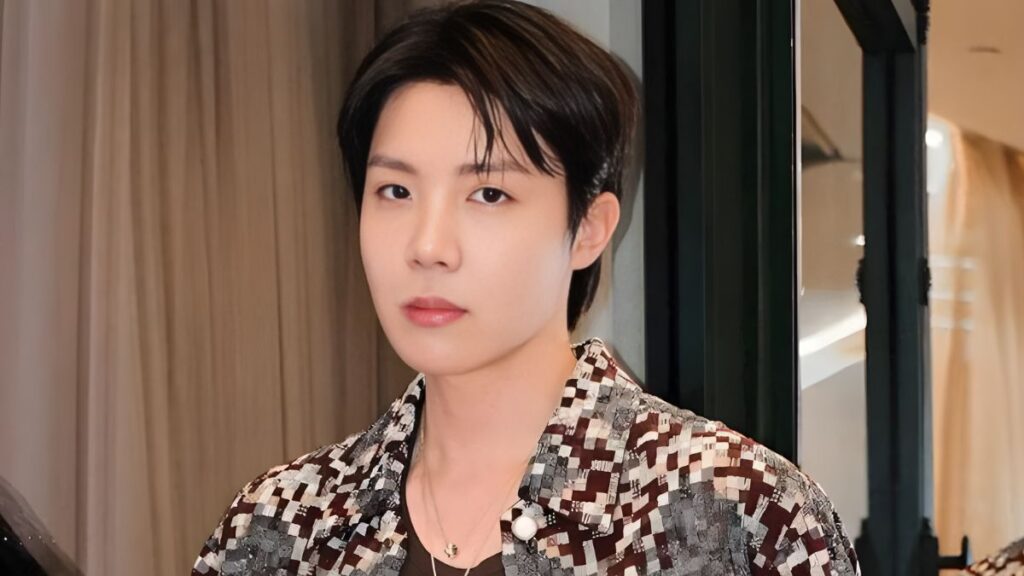
Early dance roots
Jung Hoseok came into the world on February 18, 1994, in Gwangju, a South Korean city that has always had a lively cultural side. He grew up in an ordinary family alongside his parents and older sister, Jung Ji-woo. From pretty early on he gravitated toward anything physical. Tennis was his first try before dance took over completely. By the time he hit fourth grade he joined the Gwangju Music Academy and stuck with it for six full years, picking up all sorts of styles. The classes drilled into popping, locking, and b-boying, moves that would later become his trademark on stage. At thirteen he linked up with an underground dance crew called Neuron.
They hit local shows and competitions, which gave him his first real taste of performing for actual crowds. Back in 2008 he took first place in a national dance contest, and that win did a lot for his confidence and his standing in the scene. Those Gwangju days hammered home discipline and creativity. Rehearsals often ran late, and the crew members kept pushing one another to sharpen every routine. Hoseok has talked about how the underground environment really fed his passion for movement and performing. It was competitive, sure, but also encouraging, and it laid the groundwork for bigger stages later. His family quietly backed him too, letting him chase dance without steering him toward something safer or more conventional. By his late teens he had made up his mind to aim for an idol career.
Trainee years in Seoul
Things shifted in 2010 when Hoseok auditioned for Big Hit Entertainment, a company that was still fairly modest compared with the big players. They took him on mainly because of his dance skills and the potential they saw in him as a rapper. Leaving for Seoul felt like a major step. The city promised more chances, but it also meant being away from home and adjusting to a demanding training routine. Days stretched long with dance practice, vocal coaching, rap sessions, and even language classes. Even back then Hoseok was throwing choreography ideas into the mix.
The trainee group was small, so bonds formed fast under all that pressure. There were rough patches. In 2012 he came close to walking away, weighed down by the workload and the uncertainty of whether debut would ever happen. A few words from the others, including the member who would become RM, convinced him to stay. During training he popped up in Jo Kwon’s “Animal” music video in 2012, which gave him a bit of early exposure.
It drove home the gap between underground dance and the slick idol system. Hoseok picked it up fast, bringing his street-dance background to add real energy. By the time the company started gearing up for a new boy-group debut, he had polished his rap and singing too. The whole trainee stretch ran about three years and built the kind of toughness and teamwork the job would demand.
Debut with BTS and group foundation
BTS made its official debut on June 13, 2013, with the single album “2 Cool 4 Skool.” The seven members, Hoseok included as J-Hope, came in as underdogs in a very crowded K-pop field. He stepped into the main dancer, lead rapper, and sub-vocalist spots. That bright, upbeat energy of his quickly became part of the group’s calling card. Early days meant nonstop promotions, TV spots, and fan meets. The first couple of years were all about growing a loyal following through regular releases and live shows. Tracks like “No More Dream” and “Boy in Luv” leaned into hip-hop roots, and J-Hope’s rap parts plus his dance breaks stood out. As the group picked up steam, tours followed.
Small Korean venues gave way to bigger international dates. Each member chipped in on songwriting and production, and J-Hope added verses that carried a sense of optimism and smooth flow. By 2015 several mini-albums and full-length projects were out, climbing higher on local charts. Overseas attention grew through social media and streaming. J-Hope’s choreography ideas helped shape memorable stages. That period really locked in the group’s identity. Earnings were still modest compared with what came later, but the base they built opened doors to much larger opportunities.
Rising profile within BTS
Once BTS started pushing into the mid-2010s, J-Hope’s role became even more noticeable. The group moved from Asian dates to North American ones, hitting festivals and award ceremonies. Albums in “The Most Beautiful Moment in Life” series brought stronger sales and wider critical notice. J-Hope handled rap lines and dance sections that defined the live sets. His solo spots on stage always pulled big reactions. As the group landed major endorsement deals, individual members began showing up in fashion campaigns. By 2017 BTS was breaking Billboard records and selling out arenas on world tours.
Ticket sales, merchandise, and streaming revenue climbed sharply for the whole lineup. J-Hope kept writing and producing, slipping in tracks like “Airplane” that hinted at where his solo work might head. Group earnings were split after the company’s cut. Those years also brought TV appearances and variety shows where his humor and dancing stood out. The schedule stayed intense, but the team dynamic helped everyone push through. By the end of the decade BTS had left a real mark on global pop, and J-Hope’s place in it felt solid.
Solo projects and creative expansion
Come 2018 J-Hope dropped his first solo mixtape, “Hope World,” on March 2. The release carried tracks that felt very much like him, mixing upbeat anthems with more thoughtful moments. “Daydream” led things off, and the whole mixtape landed on the Billboard 200. It also climbed high on iTunes charts around the world. That project showed he could stand on his own while still tied to the group. Late the following year he teamed with Becky G on “Chicken Noodle Soup” and became the first BTS member to crack the Billboard Hot 100 as a solo artist.
The track pulled in streams fast. He took production credits on his own material, which highlighted how his studio skills were growing. Then in 2022 he followed up with the full album “Jack in the Box.” It landed in July and took on a sharper, more grown-up tone with songs like “MORE” and “Arson.” The album opened strong on the charts and earned him a main-stage slot at Lollapalooza in Chicago, the first time a Korean solo artist headlined there. The set drew plenty of praise for its drive and precision. These releases widened his audience past core BTS fans and underlined how versatile he could be.
Military service and transition period
J-Hope started his mandatory military service on April 18, 2023. Like every other male citizen he went through regular active duty. The eighteen-month stretch put public activities on hold but gave him space to think things over. He served in a standard unit and finished training without any special treatment. Discharge came on October 17, 2024, in Wonju. Fans turned out in force to welcome him back. While he was away the other BTS members kept solo work coming, so the group’s name stayed visible. J-Hope’s past releases kept generating royalties. Once he was out he moved back into things quickly. The timing lined up well with fresh interest in his solo catalog. He stayed fit and kept ideas turning over in private, ready for whatever came next.
Post-service releases and tour success
Right after discharge J-Hope put out new singles and an extended play. “Hope on the Street Vol. 1” dropped in 2024 and leaned into his street-dance background. It opened at number five on the Billboard 200, his strongest solo chart showing so far. Early in 2025 he kicked off the “Hope on the Stage” world tour. It started in Seoul on February 28 and rolled through Asia and North America before wrapping in June.
Thirty-three shows in total, moving roughly 504,000 tickets and pulling in $84.7 million in gross revenue, which set a new high for any Korean solo artist on tour. The North American leg alone brought in serious numbers with several arenas selling clean out. Merchandise added another lift. The set list pulled from his full catalog. Staging kept the focus on dance. Crowd numbers showed fans were still eager even while the group took a break. The tour’s sell-out pace told a clear story about his pull as a solo act.
Brand partnerships and endorsement income
In 2023 J-Hope signed on as a global house ambassador for Louis Vuitton. The job meant campaigns, fashion-week appearances, and events. Earlier group work with the brand made the solo move feel natural. He showed up at Paris Fashion Week and in promotional shoots, which kept him visible in luxury circles. Deals like this usually come with solid pay, often running into millions per year plus extras for specific gigs. Endorsements bring in reliable money outside of music sales.
J-Hope’s energetic, fashion-conscious image works well for campaigns aimed at younger audiences worldwide. The partnerships also create media buzz that feeds back into his overall value. He has kept the choices selective, favoring longer-term fits instead of jumping around.
Real estate and investment strategy
Property makes up a meaningful part of what J-Hope owns. He has several luxury apartments in Seoul, bought outright over time. The spots sit in premium neighborhoods like Seongsu-dong and the Aper Hangang complex. Back in 2016 he picked up a unit in the Trimage complex at Seoul Forest for about 1.3 billion KRW. By 2025 he sold it for 4 billion KRW, clearing a gain of 2.7 billion KRW before taxes.
After everything was settled he walked away with roughly 1.65 billion KRW in net profit. He kept another unit in the same building and still holds two more apartments valued around 11 to 12 billion KRW each. All told, the real-estate side runs into tens of billions of KRW. He has also put money into stocks, including shares in HYBE. Layered on top of royalties and tour money, the portfolio helps keep things stable for the long run. The decisions look deliberate.
Net worth components and overall picture
That $30 million net worth comes from the steady buildup over the years. When you line him up against the other BTS members the ranges are similar, though personal investment styles differ. Public estimates on celebrity finances always carry some guesswork, but the numbers line up consistently enough to feel reliable. J-Hope has leaned toward spreading things out, which cuts down on risk if any one area slows. That approach has worked well in a field where trends can turn fast.
Ongoing career and group future
Now that military service is behind him and solo momentum is building again, J-Hope is balancing personal projects with talk of group plans. The BTS members have floated the idea of a full reunion sometime in 2025. Until then solo work keeps everyone active. His recent singles are still charting and holding fan interest. Tours or collaborations down the line remain open.
The foundation from more than a decade of work gives him room to move. J-Hope’s dance roots, production know-how, and business choices put him in a strong spot no matter which way he heads next. The road from Gwangju dance crews to global arenas really comes down to sticking with it and adjusting along the way. His net worth is not just about talent; it shows how he turned chances into something that lasts. As the entertainment world keeps changing, the coming chapters will probably follow the same steady principles that got him here.