Cristiano Ronaldo has stacked up a fortune that sits somewhere between $1.2 billion and $1.4 billion right now in early 2026. The money didn’t just roll in from all those goals and trophies. It came from salaries that kept ratcheting higher, sponsorships that locked in for decades, and a string of businesses he’s built around the CR7 name while still lacing up his boots every week. At 41, he pulls in more away from the pitch than plenty of top athletes ever manage in a full career. And the setup he’s created feels like it’s meant to keep paying out long after he hangs up the cleats for good.
From Madeira to Manchester
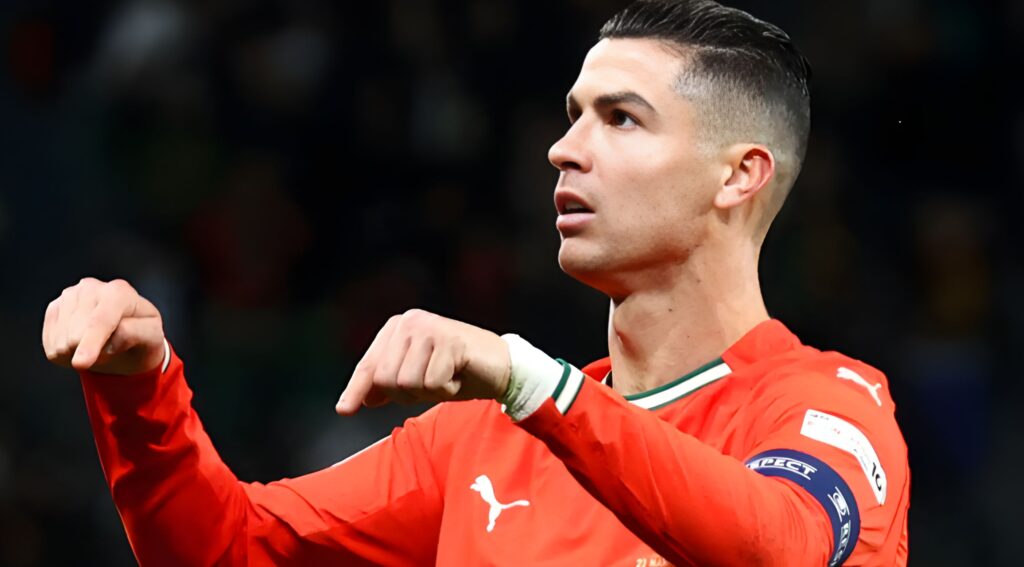
Ronaldo came from a pretty ordinary background on Madeira. Money was tight in the family home, and when he turned pro with Sporting CP as a teenager, the wages were nothing flashy. They helped out at home but didn’t leave much for big moves. Things started shifting once he landed at Manchester United in 2003. His pay kicked off around $1 million a year and climbed fast. By 2008, after he picked up that first Ballon d’Or, he was clearing close to $10 million annually from the club, plus bonuses.
Those first few years in England drilled some real financial habits into him. He picked up his initial big property in Alderley Edge, a five-bedroom place with a pool and gym that set him back about $7 million. He kept it for more than ten years before selling it at a modest loss, but the takeaway stayed with him. Bricks and mortar could hold value even when markets wobbled. Around the same time he started treating his name like an actual asset. Back in 2006 he opened the first CR7 boutique in Madeira, pushing simple clothes and underwear. It was a small operation, sure, but it marked the start of something bigger.
When he left United for Real Madrid in 2009, Ronaldo had already banked over $50 million in wages and bonuses. What mattered more was how he’d begun to see sponsorships as a multiplier. Early deals with Nike and others added another $5 million or so yearly. He didn’t blow it all. Instead he bought apartments in Lisbon and quietly put money into a few Portuguese companies. Those steps quietly built the base for the much larger operation he runs today.
Dominating at Real Madrid
The nine years in Madrid pushed Ronaldo into the stratosphere when it came to pay. His base salary rose from $20 million to $30 million and eventually topped $50 million a season once bonuses kicked in. All told, he took home roughly $400 million in club wages during that stretch. Throw in performance incentives from La Liga titles and Champions League wins, and the extras added tens of millions more each year.
He put that steady cash flow to work. In 2010 he snapped up a couple of sleek mansions in La Finca, one of Madrid’s priciest areas. The places came with spas, indoor pools, and even cryotherapy setups, and they cost around $5 million back then. They’ve gained value nicely since. He also grabbed a luxury apartment in New York’s Trump Tower for $18 million in 2015, though he sold it later at a loss after some public noise. That one stung, but it drove home a point: flashy buys don’t always pay off, yet prime locations and good timing still count for a lot.
This was also when his Nike partnership really took off. The company locked him into what became a lifetime deal in 2015, reportedly worth well over $1 billion across its full run. Yearly payouts hovered between $18 million and $24 million, depending on how certain clauses played out. That reliable money gave him room to push harder on his own brand. CR7 clothing spread into fragrances, eyewear, and denim lines. Licensing agreements brought in millions without him having to sweat the daily grind. By the time he wrapped up in Madrid, his earnings off the field were matching or even topping what he made playing.
Juventus and the Shift to Brand Building
The move to Juventus in 2018 kept the big salary coming—about $35 million a year plus bonuses. Italy opened doors to fresh endorsement deals in fashion and luxury. He signed on with Armani and kept expanding CR7 across Europe. The switch also forced him to get more serious about the business side. He brought in extra advisors and started running CR7 like a proper company instead of just a side hustle.
In Turin he bought a large villa and kept focusing on property. He sold off the old Manchester house and leaned more toward assets that actually generated income instead of just sitting there hoping to appreciate. Those Juventus years lined up with the rollout of Pestana CR7 hotels. He teamed up with the well-established Portuguese hotel group Pestana, and the first spot opened in his hometown of Funchal back in 2016. Lisbon and Madrid followed by 2019. Each hotel carried his fitness-driven design and pulled in travelers happy to pay extra for the sports angle.
Gyms came along too. CR7 Fitness centers launched in Portugal and Spain, built around training programs drawn from his own routines. These projects didn’t turn him into an overnight billionaire, but they created steady revenue that kept flowing. People who track athlete brands pointed out that Ronaldo was shifting from pure endorsement cash toward owning pieces of businesses that could grow over time.
Al-Nassr Payday
Ronaldo headed to Al-Nassr at the end of 2022 on a deal worth around $200 million a year. The figures blew minds across the football world. Then in June 2025 he signed a two-year extension through 2027 that bumped his annual pay closer to $225 million, all tax-free, plus a $33 million signing bonus and performance add-ons that could push another $50 million or more on top. The package also gave him a 15 percent ownership stake in the club, valued at roughly $45 million.
That contract alone confirmed him as football’s first official billionaire in 2025. When you add in endorsements and businesses, his yearly earnings now top $300 million. The Saudi switch drew plenty of flak over the league’s level and other off-field issues, but on the money side it delivered exactly what he needed at this point in his career: huge cash flow and fewer day-to-day distractions back in Europe. He’s funneled part of it into speeding up investments in tech and media while keeping the European properties and hotels humming along.
The Nike Lifeline
Nike still forms the bedrock of his endorsement world. That lifetime agreement, one of the very few the company has ever handed out, guarantees him tens of millions every year no matter where he plays. Estimates put the deal’s current value at around $200 million, with lifetime payouts potentially crossing the $1 billion mark once royalties from CR7-branded shoes and clothes are factored in.
Ronaldo pushes the products hard across his social channels, which now reach more than 600 million followers on Instagram alone. That audience turns into real value for Nike. Earlier studies showed his posts created tens of millions in media exposure annually. The partnership also lets him have a say in signature lines, so he’s moved from straight athlete to something closer to co-creator. Longer-running deals with Tag Heuer, Herbalife, and Clear tack on another $20 million or so each year. Those contracts tie to performance numbers, but they’ve held up solidly over time.
CR7: Turning a Name into a Global Brand
These days the CR7 label covers clothing, underwear, fragrances, footwear, and accessories. A 2025 study from a Portuguese marketing group put the overall brand value at around €850 million, and some more recent takes have it closer to $900 million. Licensing income alone pulls in an estimated $50 million a year across the different lines. Underwear and fragrances keep leading the pack, moving through retail partners all over the globe.
Ronaldo stays hands-on with quality and the overall image. He signs off on designs and uses his own fitness standards as the main selling point. The brand weathered the shutdown of those early boutiques in Madeira by moving more toward online sales and big department stores. Growth into Asia and the Middle East has balanced out any slower periods in Europe. People who follow these things say CR7’s real strength is how consistent it stays. It sells a certain lifestyle more than cutting-edge fashion, and Ronaldo’s own discipline backs that up without needing endless new ad pushes.
Hotels and Gyms
The Pestana CR7 Lifestyle Hotels now run in Funchal, Lisbon, Madrid, Marrakech, and New York, with more than 800 rooms spread across the group. Annual revenue for the whole chain lands between €50 million and €80 million, according to hospitality watchers. Ronaldo holds a big equity share—reportedly around 50 percent in the CR7-branded spots—which hands him both regular income and upside as the properties gain value.
The hotels come with gyms, training spaces, and design details pulled straight from Ronaldo’s world. Occupancy rates hold strong because they attract sports tourists and business types who want that fitness focus built in. Food and drink sales add another 30 to 40 percent on top of room bookings. The whole model has held up well even when the economy shifts.
On the fitness front, CR7 Crunch Fitness gyms keep spreading through Portugal and Spain. Memberships and personal-training packages create reliable cash flow. These spots get a boost from Ronaldo’s social media activity. One post about a new location can pack classes for months afterward.
The Real Estate Portfolio
Ronaldo’s personal property collection adds another solid layer of stability. The holdings, worth roughly $90 million to $100 million, include luxury homes in Lisbon, Madeira, Madrid, and Riyadh. The Lisbon penthouse once ranked as the most expensive apartment ever sold in the city at $7 million, complete with a rooftop pool and spa. The Madeira mansion, built on the site of an old nightclub, cost around $8 million to develop and now serves as a family anchor.
He’s sold off some places over the years—the New York apartment and the Manchester house—to free up cash for fresh opportunities. The properties he’s kept tend to bring in rental income when he’s not using them, and they’ve appreciated nicely thanks to their prime spots. Real-estate analysts say Ronaldo’s style avoids heavy borrowing. He buys mostly with cash or light debt, which shields the portfolio when markets turn.
Tech, Media, and More
In the last few years Ronaldo has stepped into higher-risk areas that could pay off bigger. He put money into the UFL football video game as part of a $40 million funding round and acts as an ambassador. Early download numbers hit millions, hinting at decent returns if the game catches on against bigger names.
He also invested in Whoop, the wearable fitness tracker, both as a user and backer. The move fits perfectly with his health-focused brand and gives him a window into performance data. Other stakes include Perplexity AI, a Portuguese media outfit now called Expressao Livre, and the luxury watch platform Chrono24. A film production studio launched in 2025 with British director Matthew Vaughn shows he’s getting more interested in content.
These plays spread risk away from traditional sports money. Financial types who watch high-net-worth athletes say the approach cuts dependence on any one stream. Not every investment will hit, but spreading bets lets him use his name across different fields.
Advisors and Strategy
Running it all quietly is Miguel Marques, a low-key Portuguese private banker who heads LMcapital Wealth Management out of Lisbon. Marques handles the everyday financial calls, from sorting tax setups on the Saudi deal to keeping cash ready for new moves. He also sits on boards for some of the CR7 hotel companies, making sure Ronaldo’s personal image lines up with the business side.
The team stays lean. Ronaldo steers clear of public stock plays and sticks to private equity and direct ownership. Advisors push for long holding periods and steady income over fast flips. That discipline shows up in how the empire weathers ups and downs. Even now at 41, with football pay still the biggest slice, the non-sports businesses and investments chip in more than $50 million a year by most counts.
What Lies Ahead: Post-Retirement Security
Ronaldo’s Al-Nassr deal runs through 2027, but the businesses and investments don’t have an expiration date. The CR7 brand, hotels, gyms, and wider holdings create a platform that can keep operating without him out on the pitch every weekend. Projections from industry insiders suggest his net worth could keep climbing if the Saudi stake grows or if the tech bets land.
There are still hurdles. Brand fatigue, any regulatory shifts in Saudi Arabia, or changes in how people spend could hit certain parts. Even so, the structure Ronaldo has spent two decades putting together seems built for exactly this phase. He’s taken pure athletic fame and turned it into ownership pieces that generate money on their own. When the final whistle eventually blows, the financial side should keep rolling along without missing much of a beat.