| Category | Details |
|---|---|
| Full Name | Eithne Pádraigín Ní Bhraonáin (known professionally as Enya) |
| Date of Birth | 17 May 1961 |
| Place of Birth | Dore, Gweedore, County Donegal, Ireland |
| Nationality | Irish |
| Occupation | Singer, songwriter, musician, composer, record producer |
| Years Active | 1980 – present |
| Estimated Net Worth | $150 million (as of 2026) |
| Spouse | None (unmarried) |
| Children | None |
| Most Known For | Orinoco Flow (Watermark), Only Time (A Day Without Rain), May It Be (The Lord of the Rings soundtrack) |
| Latest / Upcoming | New studio album (expected 2026) |
Enya has a net worth of $150 million. Born Eithne Pádraigín Ní Bhraonáin on 17 May 1961 in Dore, a village inside Gweedore in County Donegal, Ireland, the singer came from a large family where music formed part of daily life. The sixth of nine children, she spent her early years in a Gaeltacht area where Irish served as the main language spoken at home and in the community.
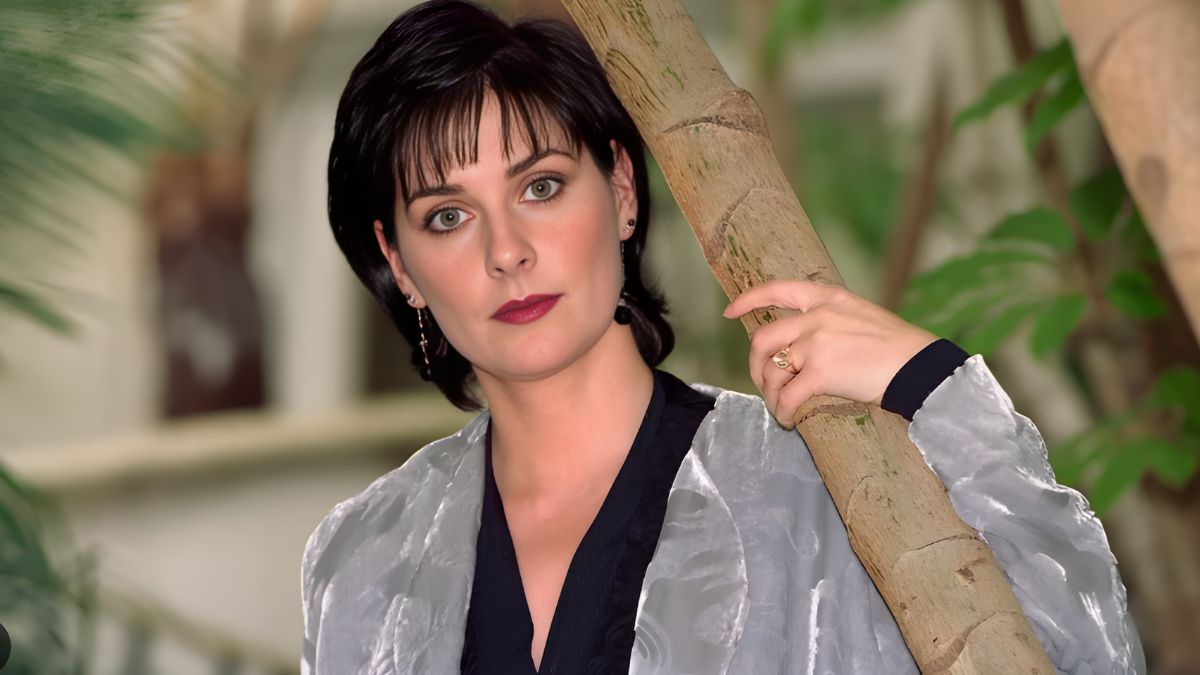
Her parents ran a pub called Leo’s Tavern after 1968, and the setting mixed local traditions with performances from visiting bands. This environment exposed her to harmonies and instruments from a young age without any formal push toward a professional path at first.
Early Years in Gweedore
Life in Donegal during the 1960s and 1970s shaped routines around family and the Atlantic coast. Enya started piano lessons at age four and joined her mother’s church choir at St Mary’s in Derrybeg. School involved learning English alongside Irish, and weekends often included local festivals or competitions where she sang from a young age. At eleven she moved to boarding school at Milford College, run by the Sisters of Loreto, where studies covered classical music and art.
The shift brought structure but also time away from the noisy household of siblings. She finished secondary education at seventeen and spent a short period at college studying classical music before deciding to follow other plans. The coastal sounds and family gatherings stayed in memory, though she did not plan then to turn them into recordings.
Family Band Beginnings
In 1980, after college, Enya joined her relatives’ group Clannad on keyboards and backing vocals. The band already had a following in Irish folk circles, and she appeared on their album Fuaim in 1982 with lead vocals on one track. Tours took the group across parts of Europe, but the role felt limited. By late 1982 she left to pursue work on her own terms.
The departure included manager Nicky Ryan and his partner Roma Ryan, who later handled production and lyrics for her solo projects. The move to Dublin marked a change from group dynamics to smaller studio setups. She lived with the Ryans initially and helped set up a basic recording space in their garden shed, later known as Aigle Studio.
Going Solo
The first years after leaving Clannad involved steady but low-profile work. Enya sold her saxophone and gave piano lessons to cover costs while developing new material. She contributed synthesizer parts to other Irish acts and composed pieces for a 1985 film called The Frog Prince. Those tracks included a couple with vocals and showed early experiments with layered sounds. In 1985 the BBC commissioned music for a documentary series on Celtic history.
She wrote and recorded the full score, which ran about seventy-two minutes. The project led to her first album release in 1987 under the title Enya on BBC Records. The record reached number eight in Ireland and number sixty-nine in the UK. Tracks like I Want Tomorrow and Boadicea appeared as singles, and one later gained use in other productions.
Crafting a Unique Sound
Studio sessions in the mid-1980s relied on analogue equipment and careful overdubbing. Enya recorded multiple vocal tracks herself to create the choir-like effect that became a signature. Nicky Ryan managed the technical side, and Roma Ryan began writing lyrics, often in English or Irish with occasional other languages.
The partnership allowed full control over arrangements without outside input on direction. Warner Music UK signed her in 1987 and offered artistic freedom, a rare arrangement that continued through later contracts. The label handled distribution while she focused on composition and performance in the studio. This setup kept the process private and centered on the music rather than promotion schedules.
The Watermark Moment
Recording for the next album took place across 1987 and 1988 at Aigle Studio and Orinoco Studios in London. Watermark arrived in September 1988 and featured the track Orinoco Flow, released as a single that topped the UK chart for three weeks and entered top-ten lists in several countries. The album peaked at number five in the UK and number twenty-five on the US Billboard 200.
Sales climbed into the millions within the first year, driven largely by that single but also by radio play of other cuts. Promotion included interviews and appearances that introduced the layered vocal style to wider audiences. The release shifted her from regional recognition to international attention without any live concerts attached.
Building Momentum in the 90s
After Watermark, equipment upgrades supported more complex arrangements. Shepherd Moons followed in November 1991 and reached number one in the UK for a week while hitting number seventeen in the US. Caribbean Blue served as the lead single and charted at number thirteen in the UK. The album earned a Grammy in 1993 for Best New Age Album, the first of four such wins. Reissues of the earlier work appeared under the title The Celts in 1992 and added to catalog sales. The Memory of Trees came out in November 1995, peaking at number five in the UK and number nine in the US.
Singles Anywhere Is and On My Way Home gained airplay, and the record sold over three million copies worldwide. A 1997 compilation called Paint the Sky with Stars included two new tracks and reached number four in the UK. These releases maintained steady output across the decade, with each building on the previous through consistent production methods.
Peak Popularity Around 2000
Work on A Day Without Rain began in the late 1990s and wrapped for a November 2000 release. The album opened at number six in the UK and number seventeen in the US before climbing higher after the single Only Time received heavy rotation following the events of September 2001. Media outlets used the track in coverage, which pushed it to number ten on the Billboard Hot 100 and number one on Adult Contemporary.
Proceeds from a special maxi-single went to a firefighters’ charity. The album eventually sold millions more and became one of the top new-age titles of the period. In 2001 Enya contributed two songs to the soundtrack of The Lord of the Rings: The Fellowship of the Ring. May It Be, performed in English and Quenya, earned an Academy Award nomination and a Golden Globe nomination. She performed the song live at the 2002 Oscars ceremony, one of the few public appearances tied to a specific event.
Soundtrack Work and Awards
The early 2000s brought additional recognitions. Amarantine arrived in November 2005 and debuted at number eight in the UK and number six in the US. The title track and others continued the pattern of multi-language lyrics and layered vocals. Another Grammy followed in 2007. And Winter Came… appeared in November 2008 with a seasonal theme and reached number six in the UK and number eight in the US.
A 2009 compilation titled The Very Best of Enya collected hits and added to cumulative sales. Across these years awards included multiple World Music Awards and an Ivor Novello for international achievement. The catalog generated ongoing royalties from licensing in films, television, and advertisements, which supplemented direct album income without the need for touring.
Later Career and Hiatuses
After 2008 Enya stepped back from regular releases. Recording sessions slowed, and focus turned to personal matters while the studio remained active for occasional projects. Dark Sky Island emerged in November 2015 after a seven-year gap, entering charts at number four in the UK and number eight in the US. The album featured the single Echoes in Rain and maintained the established sound.
No further studio albums followed immediately, and public updates stayed minimal. In early 2026 reports indicated that work on a new album had finished, marking the first since 2015. Details on release timing remained limited, but the announcement suggested continued activity in the studio with the same production team.
A Private Existence
Enya has never undertaken a concert tour. The decision kept schedules clear for studio work and preserved a separation between creative output and personal routines. She purchased Manderley Castle in Killiney, near Dublin, in 1997 and has lived there since. The property provides space away from city centers, and she shares the home with several cats.
Family connections in Donegal remain, but daily life centers on quiet routines and occasional travel for recording. Media appearances stay limited to album promotions, and interviews focus on the music rather than private details. This approach contrasts with many performers who rely on live shows and constant visibility, yet the recorded catalog has sustained commercial results over decades.
Business Choices
Album sales figures contribute the main share of earnings. Estimates place worldwide totals above eighty million copies, with more than twenty-six million certified in the United States alone. Each release from Watermark onward achieved platinum or multi-platinum status in major markets. Royalties from publishing and synchronization deals add layers of income, especially when tracks appear in media or commercials.
Real estate holdings, including the castle acquired decades ago, have appreciated and form part of the asset base. The business structure involves the Aigle Music partnership with the Ryans, which has managed publishing and production rights efficiently. Consistent output without touring expenses has supported long-term financial growth while avoiding the costs and demands of live performance circuits.
The Enduring Legacy
From the first solo recordings in the 1980s through releases into the 2010s, Enya’s output followed a clear pattern of studio-focused work and gradual expansion of audience reach. The vocal layering technique, built entirely from her own performances, created a sound that stood apart in popular music. Collaborations with Nicky and Roma Ryan provided continuity across projects and allowed lyrics drawn from varied cultural sources.
Sales data across charts in Europe, North America, and Asia show sustained interest rather than short bursts tied to trends. The 2026 album confirmation points to ongoing studio activity at a measured pace. The career path demonstrates how focused recording and selective public engagement can produce lasting commercial presence without reliance on stage appearances or frequent media cycles.