| Category | Details |
|---|---|
| Full Name | Stephanie Faracy |
| Date of Birth | January 1, 1952 |
| Place of Birth | Brooklyn, New York, USA |
| Nationality | American |
| Occupation | Actress |
| Years Active | 1976 – present |
| Estimated Net Worth | $5 million (as of 2026) |
| Spouse | None (never married) |
| Children | None |
| Most Known For | Corinne in Heaven Can Wait (1978), Connie Ripley in The Great Outdoors (1988), Ellen Freeman in True Colors (1990–1992), Jenny in Hocus Pocus (1993), supporting roles in Sideways (2004) and Flightplan (2005) |
| Latest / Upcoming | Lynn in Nobody Wants This (Netflix, 2024–present), Maggie Cutbush in Scarpetta (Prime Video, 2026) |
Stephanie Faracy has a net worth of $5 million. Born January 1 1952 in Brooklyn New York and raised in Elk Grove Village Illinois the actress built a career that spans five decades through consistent work in film and television. She took on supporting parts that often anchored ensembles and delivered quiet reliability in stories that ranged from broad comedies to more serious dramas.
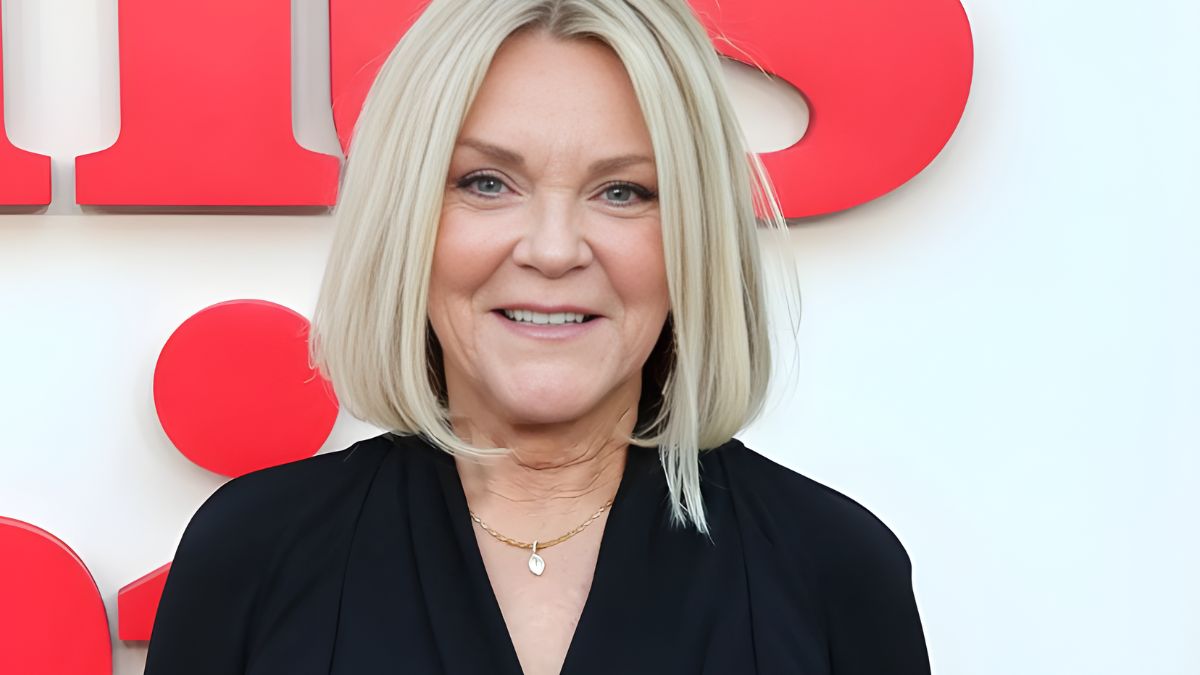
Her path shows how a performer can stay active without chasing leads and still accumulate steady earnings from residuals guest spots and occasional series runs. Faracy never sought the spotlight yet her choices kept her employed when many peers faded.
Early Life in Illinois
Faracy spent her formative years in Elk Grove Village after the family moved from Brooklyn. The suburb offered a stable environment where she attended local high school and first tried acting in school productions. One early role involved playing a character based on real life figures which sparked her interest in performance.
The Midwest setting kept things grounded and she drew from everyday observations rather than big city influences at that stage. Family life included siblings who later pursued creative fields themselves though details stayed private. Those years laid the groundwork for a practical approach to the business.
She learned early that preparation mattered more than flash and that habit carried forward. High school theater groups gave her initial stage time and she treated each show as serious work even if audiences were small. The experience taught her about timing and listening which became trademarks in later roles.
Acting Education
After high school Faracy enrolled at Illinois Wesleyan University where she earned a bachelor of arts degree in English and drama. The program combined literature studies with hands on performance classes and she took advantage of both.
Coursework exposed her to classic texts and contemporary plays which sharpened her understanding of character motivation. She then moved on to the Yale School of Drama for further training. The intensive environment demanded discipline and she thrived under the structure. Instructors pushed students to explore range and she practiced switching between comedy beats and more dramatic moments. Yale connections opened doors to New York theater circles once she graduated.
The formal education gave her tools that distinguished her from performers who relied solely on instinct. She approached scripts with analysis first then layered in natural delivery. That method helped her land parts that required subtlety rather than broad gestures.
New York Stage Debut
Faracy arrived in New York ready to work and started with stage productions. The theater scene in the mid 1970s welcomed newcomers who could handle ensemble work. She appeared in several off Broadway shows where she learned to project without amplification and to adapt to nightly variations in audience response.
Stage time built confidence and stamina. Directors noticed her ability to support leads without drawing focus away. One production involved a small cast comedy that ran for a limited time but earned positive mentions in local reviews. The experience prepared her for camera work because she had already mastered blocking and timing live.
New York also meant auditions and rejections yet she treated each as part of the process. The city offered networking opportunities and she formed relationships that led to her first television opportunity. Those early stage years established her reputation as someone dependable and prepared.
First Steps in Television
In 1976 Faracy made her television debut on an episode of the ABC sitcom Laverne and Shirley. The part was small but it marked her entry into network television. She played a guest character that required quick comedic timing within a established ensemble.
The show was at its peak and working on it introduced her to the pace of weekly production. After that she appeared in a couple of unsold pilots which taught her about the development process. In 1978 she took a role in a television movie called The Fighting Nightingales. These early credits built her resume and showed casting directors she could deliver under deadline pressure.
Television work at the time paid modestly but provided steady income between stage jobs. She moved between New York and Los Angeles as opportunities arose and learned to adjust her performance for the camera lens. The transition from stage to screen went smoothly because she had already practiced listening and reacting in live settings.
Film Breakthrough in 1978
Faracy landed her first major film role in 1978 with Heaven Can Wait directed by Warren Beatty. She played Corinne a supporting character who interacted with the lead in key scenes. The movie became a commercial success and introduced her to wider audiences.
Working opposite Beatty and other established names gave her insight into how big budget productions operated. She handled the comedy elements with a straightforward style that fit the tone. Critics did not single her out but audiences remembered the warmth she brought to group scenes. The credit opened doors to more film auditions and she followed it with another comedy the next year.
That breakthrough year confirmed she could hold her own in feature films and she continued to pursue both television and movie work. The role also demonstrated her comfort with ensemble casts something she would repeat throughout her career.
Comedy Hits of the Late 1970s and 1980s
After Heaven Can Wait Faracy appeared in Scavenger Hunt in 1979 as Babbette. The film featured a large cast and relied on physical humor. She contributed to the chaos without overplaying her part. In 1987 she joined Blind Date opposite Bruce Willis and Kim Basinger playing Susie Davis.
The romantic comedy leaned on awkward situations and her timing added to the laughs. The following year brought The Great Outdoors in 1988 where she portrayed Connie Ripley wife to John Candy’s character. The family vacation story resonated with audiences and her scenes with Candy highlighted natural chemistry.
These films kept her visible in theaters during a period when studios favored comedies. Each project paid better than television guest spots and residuals from repeats added to her earnings over time. Faracy chose roles that suited her strengths rather than forcing dramatic shifts and that decision sustained her through fluctuating industry trends.
Sitcom Leadership in the 1980s
Faracy moved into leading television roles during the 1980s. She starred in The Last Resort on CBS from 1979 to 1980 as Gail Collins. The show lasted only one season yet gave her daily experience with sitcom structure. In 1983 she co starred in Goodnight Beantown with Bill Bixby and Mariette Hartley.
The series focused on newsroom dynamics and she played Valerie Wood a recurring character. Then in 1990 she led His and Hers on Fox as Dr Regina Hewitt. The show explored marriage from a professional angle. These lead parts demanded consistency across episodes and Faracy delivered.
Sitcom pay scales helped boost her net worth and the work built name recognition among television executives. She handled the pressure of carrying scenes while supporting co stars which became a pattern in her later career.
Miniseries and Expanded TV Work
The 1980s also included miniseries appearances that stretched her range. In 1983 she appeared in The Thorn Birds as Judy. The epic production required emotional depth over multiple episodes. She followed with Space in 1985 and Windmills of the Gods in 1988 both of which placed her in larger ensemble stories.
These projects allowed longer character arcs than weekly sitcoms. Faracy also took guest spots on series like Trapper John M.D. Fantasy Island and Hotel. Each role added variety and kept her schedule full. The work in longer formats showed she could sustain performances across weeks of shooting. Earnings from miniseries tended to be higher per project and contributed meaningfully to her financial picture. She balanced these with film commitments and maintained a steady output without burnout.
1990s Television Success
The early 1990s brought Faracy’s most prominent sitcom role in True Colors which aired on Fox from 1990 to 1992. She played Ellen Freeman in a story about an interracial family. The series tackled social topics with humor and her character provided balance to the ensemble. It ran for two seasons and earned her regular visibility.
She also appeared in His and Hers around the same period. Guest appearances filled the decade including spots on Wings Murphy Brown and Frasier. In 1993 she joined the cast of Tales of the City as Candi Moretti for the miniseries. These credits kept her active when film offers slowed. The 1990s marked a shift toward more character driven television and Faracy fit the trend. Her work during this decade added to her reputation as a reliable performer who could elevate supporting material.
Return to Films in the 2000s
Faracy returned to feature films with stronger supporting turns in the 2000s. In 2004 she played Stephanie’s mother in Sideways. The independent comedy drama received critical acclaim and her brief scenes added authenticity to the family dynamics.
That same year she appeared in Surviving Christmas as Letitia Vangilder. In 2005 she took the role of Anna in Flightplan a thriller starring Jodie Foster. The confined setting required precise reactions and she delivered. Later films included Get Him to the Greek in 2010 as Wendy and Bad Teacher in 2011 as Mrs Pubich.
Each part reinforced her value in ensemble casts. Film work at this stage paid better than earlier decades and residuals from streaming re releases increased her income. She continued to select projects based on script quality rather than size of role.
Consistent Guest Appearances
Throughout the 2000s and 2010s Faracy maintained a busy schedule of guest appearances. Shows like Grey’s Anatomy Desperate Housewives Modern Family and How I Met Your Mother featured her in one off roles. She also appeared on The Goldbergs The Crazy Ones and Devious Maids where she had a recurring part in 2016.
These spots kept her visible and provided regular paychecks. Television production schedules allowed her to work steadily without long commitments. Guest fees accumulated and combined with film residuals to support her net worth. Faracy approached each episode as a fresh opportunity and brought the same preparation she learned at Yale. The volume of work demonstrated her professionalism and casting directors continued to call her for dependable performances.
Current Projects
In recent years Faracy joined the Netflix series Nobody Wants This in 2024 playing Lynn. The role reunited her with familiar comedy rhythms and introduced her to new audiences. She also signed on for the Prime Video series Scarpetta scheduled for 2026 where she portrays Maggie Cutbush. The crime drama marks a shift toward darker material and pairs her with Nicole Kidman.
These projects show she remains selective yet open to fresh challenges. Over five decades Faracy accumulated earnings through volume and smart choices rather than blockbuster paydays. Her net worth of $5 million reflects decades of consistent work plus residuals.
She built a career that valued reliability over fame and that approach allowed her to work steadily when trends changed. Faracy’s body of work serves as an example of how supporting performers shape stories without dominating them. Her journey continues with new roles that build on the foundation she established early.