| Category | Details |
|---|---|
| Full Name | Carole Penny Marshall |
| Date of Birth | October 15, 1943 |
| Place of Birth | Manhattan, New York City, New York, United States |
| Date of Death | December 17, 2018 |
| Nationality | American |
| Occupation | Actress, Film Director, Producer |
| Years Active | 1968 – 2018 |
| Estimated Net Worth | $45 million (at the time of her death in 2018) |
| Spouse | Michael Henry (married 1963, divorced 1967), Rob Reiner (married 1971, divorced 1981) |
| Children | One (Tracy Reiner) |
| Most Known For | Laverne DeFazio in Laverne & Shirley (1976–1983), Director of Big (1988), Awakenings (1990), A League of Their Own (1992) |
| Latest / Upcoming | Final directing credit Riding in Cars with Boys (2001), memoir My Mother Was Nuts published 2012; no further projects after passing in 2018 |
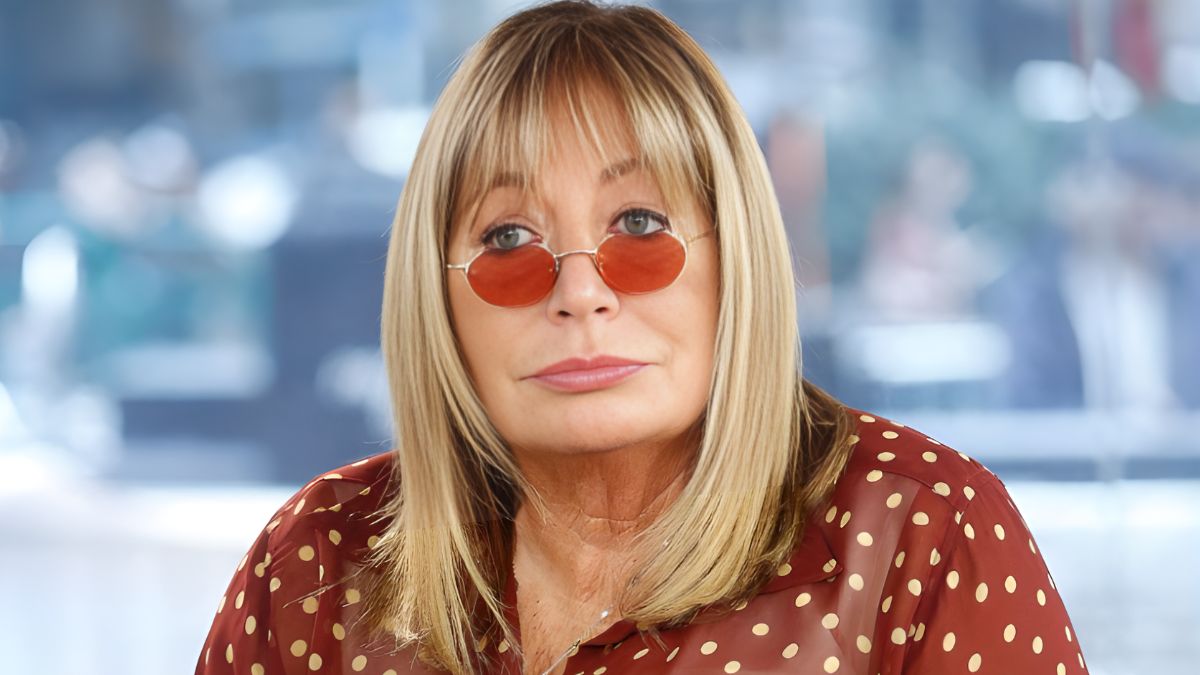
At the time of her death, Penny Marshall had accumulated a net worth of $45 million. The total came from steady paychecks during a long run on television, followed by directing fees and backend deals on films that pulled in hundreds of millions at the box office. She did not chase trends or reinvent herself every few years. Instead, she stuck with what she knew from years in front of the camera and applied it step by step to work behind it.
Childhood in the Bronx
Penny Marshall was born Carole Penny Marshall on October 15, 1943, in Manhattan. The family soon settled in the Bronx at 3235 Grand Concourse, a building that also housed future notables like Neil Simon and Ralph Lauren during different periods. Her mother, Marjorie, ran a tap dance school and kept the household focused on performance.
Her father, Tony, worked as a director of industrial films and later moved into producing. The household included older brother Garry and sister Ronny. Religion in the family followed a practical pattern. Each child received a different denomination based on wherever Marjorie could book recital space. Penny learned tap at age three and later taught classes at her mother’s school.
The environment emphasized movement and timing over formal academics. She attended Walton High School, a public girls school, and graduated in 1960. The Bronx shaped her straightforward manner and her ear for everyday speech that later showed up in characters she played and directed.
College Years and Early Family Responsibilities
After high school Penny Marshall headed to the University of New Mexico. She studied math and psychology for two and a half years. During that time she met football player Michael Henry. At nineteen she became pregnant, left school, and married him in 1963.
Their daughter Tracy arrived in 1964. The marriage lasted three years. After the divorce in 1966 Penny Marshall supported herself and Tracy with jobs that included choreography for the Albuquerque Civic Light Opera Association and secretarial work.
She kept her Bronx accent despite attempts to soften it. Those years taught her how to manage practical matters while keeping performance in the picture. The experience also made her cautious about long term commitments in both personal and professional life.
Arrival in Los Angeles and First Breaks
In 1967 Penny Marshall moved to Los Angeles to join her brother Garry, who had already established himself as a writer and producer on shows like The Dick Van Dyke Show. Her sister Ronny worked in casting and production. The move gave her immediate access to opportunities.
She started with commercials, including one for Head and Shoulders where she played the everyday roommate opposite Farrah Fawcett. Small film roles followed, such as a part in the 1968 comedy How Sweet It Is, written by Garry, and a biker film called The Savage Seven.
Guest spots on series like That Girl came next. In 1970 Garry brought her onto The Odd Couple as secretary Myrna Turner. She stayed in the role for four seasons. One episode featured her real life siblings and her then husband Rob Reiner, whom she had married in 1971.
The part required quick delivery and physical comedy, skills she had picked up from dance training and family productions. During this period she also took minor roles in TV movies like Evil Roy Slade and The Crooked Hearts. The work kept her employed and built a network that proved useful later.
The Launch of Laverne and Shirley
Garry Marshall created a backdoor pilot for Laverne and Shirley as an episode of Happy Days in 1975. Penny Marshall and Cindy Williams played brewery workers Laverne DeFazio and Shirley Feeney on dates with Fonzie and Richie. Audience reaction led to a full series that premiered in January 1976. The show followed the two women in 1950s Milwaukee as they balanced factory jobs and social lives.
Penny Marshall played Laverne, the more street smart of the pair, complete with an L stitched on her sweaters, an idea drawn from her own childhood. The series topped ratings for two seasons and ran for eight years total. Family involvement ran deep.
Garry produced, Marjorie contributed music, and Tony appeared as boss Mr. Shotz. Penny Marshall directed several episodes in later seasons. When Cindy Williams left after season seven due to pregnancy, the show continued with guest stars including Carrie Fisher and Laraine Newman.
The final episode aired in 1983. The run provided financial security and gave Penny Marshall hands on experience with production schedules and crew management. It also locked her into a public image that she later had to move past when she shifted to directing.
Learning the Directing Process on Television
Toward the end of Laverne and Shirley Penny Marshall began directing episodes of the show itself. The work involved coordinating actors she knew well and solving problems on tight schedules. She took advice from crew members rather than pretending to know everything. The approach carried over when she moved into features. In 1985 Whoopi Goldberg encouraged her to direct a feature.
The result was Jumpin’ Jack Flash in 1986, a comedy starring Whoopi Goldberg as a bank employee who helps a British intelligence agent. The production faced studio interference and schedule pressures, but it gave Penny Marshall her first credit on a theatrical release. The film did moderate business and showed studios she could handle a lead actress and action elements. She used the experience to prepare for larger projects.
Big and the First Major Box Office Milestone
In 1988 Penny Marshall directed Big, starring Tom Hanks as a boy who wakes up in an adult body after wishing on a carnival machine. The story mixed comedy with moments of isolation as the character navigates adult life. Production details included having Hanks study movements of a young actor who played the boy version in early scenes.
Penny Marshall shot reference footage and had Hanks watch it repeatedly. The method helped create consistent physical performance. The film opened to strong reviews and earned over one hundred million dollars domestically. That number made her the first woman to direct a film that crossed that threshold. The success changed how studios viewed female directors for commercial projects.
Penny Marshall received no major directing awards for the film, but the box office numbers spoke clearly. She kept her focus on actor performances rather than elaborate camera work. The approach came from her years in front of the lens and proved effective with a star like Hanks.
Shifting to Drama with Awakenings
Two years later Penny Marshall took on Awakenings, based on Oliver Sacks book about patients with encephalitis lethargica who briefly regain awareness after treatment with L dopa. Robert De Niro played a patient and Robin Williams the doctor. The film required careful handling of medical details and emotional restraint. Penny Marshall worked with the actors to ground scenes in small gestures rather than big speeches.
The production stayed on budget and earned a Best Picture nomination at the Academy Awards. Critics noted the performances, and audiences responded to the human element. The film did not match Big at the box office, but it expanded her range and showed she could manage serious material with established stars. The experience reinforced her habit of listening to department heads and adjusting on set instead of forcing a fixed vision.
A League of Their Own and Another Commercial Peak
In 1992 Penny Marshall directed A League of Their Own, a story set in the All American Girls Professional Baseball League during World War II. Geena Davis, Madonna, Rosie O’Donnell, and Tom Hanks led the cast. The film mixed sports action with character moments about teamwork and independence. Penny Marshall drew on her sports fandom, including season tickets to Lakers and Clippers games, to shape training sequences and game footage.
The budget reached around forty million after initial doubts at the studio. Domestic earnings topped one hundred million again. That placed her as the first woman to direct two films that crossed the mark. The movie became a repeat viewing favorite on home video and later gained new audiences through streaming.
Production stories included real ballplayers as extras and careful attention to period uniforms. Penny Marshall kept rehearsals loose so actors could find rhythms naturally. The result connected with viewers who saw the story as more than a sports tale.
Subsequent Directing Projects
After the two big hits Penny Marshall directed Renaissance Man in 1994, a comedy drama with Danny DeVito as a teacher assigned to Army recruits. The film addressed education and military life but did not reach the same box office levels. The Preacher’s Wife followed in 1996, a remake of The Bishop’s Wife with Denzel Washington and Whitney Houston.
The musical elements and holiday tone suited her interest in feel good stories. Riding in Cars with Boys in 2001 starred Drew Barrymore in a coming of age tale based on a memoir. Each project involved different genres, yet Penny Marshall applied the same method of prioritizing cast input and practical problem solving. She also directed television episodes later, including work on According to Jim and United States of Tara. The pace allowed her to stay active without the pressure of annual features.
Producing, Memoir, and Health Challenges
In the 2000s Penny Marshall produced Cinderella Man in 2005 and Bewitched in the same year. The roles kept her involved in development without daily set demands. She published the memoir My Mother Was Nuts in 2012. The book covered family stories, career ups and downs, and her cancer diagnosis around 2009. Reports at the time mentioned lung cancer that spread to the brain.
Treatment succeeded, and she announced remission in 2012. Public appearances became less frequent after that, though she remained in Los Angeles. Her Hollywood Hills home reflected years of steady income from earlier hits. A former assistant later filed claims against the estate seeking over eight million dollars based on promises and pension matters, but the legal details stayed private.
Later Years and Final Projects
Penny Marshall continued occasional producing and voice work into the 2010s. She collected sports memorabilia and followed basketball closely. Family ties stayed strong. Daughter Tracy Reiner pursued acting, and Rob Reiner remained on good terms after their 1981 divorce. Penny Marshall avoided spotlight interviews but occasionally shared practical advice drawn from her directing start. She suggested new directors ask crew for help rather than pretend expertise.
The comment came from someone who had learned the job one project at a time. Health issues returned in 2018. She died on December 17 at her home in Los Angeles. The official causes listed cardiopulmonary failure, cardiac arrest linked to atherosclerosis, and type 1 diabetes. She was seventy five. Cremation followed, with ashes placed at Forest Lawn Memorial Park in Hollywood Hills.
Career
Looking across the timeline, Penny Marshall moved from acting to directing without a formal plan. She used television success to gain entry into features and then selected projects that matched her comfort with ensemble casts and character driven stories. The box office numbers from Big and A League of Their Own opened doors for other women, though she rarely commented on broader industry shifts. Her films consistently placed actors at the center.
That choice stemmed from years of observing what worked on camera during Laverne and Shirley. Studios noticed the results and continued to hire her for mid budget projects even when trends favored effects heavy blockbusters. The net worth figure of forty five million at death reflected careful management of earnings rather than extravagant spending. She owned property in Los Angeles and supported family ventures quietly.
Impact
Actors who worked with Penny Marshall often described her sets as places where ideas could surface without pressure. Tom Hanks credited the physical preparation on Big for his performance. Robert De Niro and Robin Williams found space to explore character details in Awakenings. The baseball sequences in A League of Their Own felt authentic because she insisted on real training time. Audiences responded to the humor and heart in her work without needing heavy handed messages.
The films remain available on streaming platforms and continue to draw viewers who discover them years later. Her approach demonstrated that commercial success could come from steady execution rather than constant reinvention. The path she followed from Bronx dance recitals to major studio releases showed persistence through changing industry conditions. The numbers and the projects together tell the story of a career built one step at a time.