Mapping the Billionaire Landscape
Steven Spielberg tops the 2026 celebrity billionaire list with an estimated net worth of $7.1 billion. He put that fortune together over decades of blockbuster films and some pretty sharp deals tied to theme park royalties. George Lucas sits right behind at $5.2 billion, mostly from that huge payout when he sold Star Wars to Disney years back. Michael Jordan comes in at $4.3 billion, and the number keeps climbing thanks to his cut from Nike’s Jordan Brand royalties that still bring in over $250 million a year. Vince McMahon holds $3.6 billion from his wrestling empire plus a bunch of related investments, while Oprah Winfrey stands at $3.2 billion after she turned her talk show into a full-blown media network and stacked up plenty of real estate.
These figures go beyond plain talent or luck. They show how celebrities finally figured out how to own pieces of their own work instead of just grabbing a paycheck. Jay-Z lands at $2.8 billion through his music label, the Armand de Brignac champagne brand, and early stakes in companies like Uber. Taylor Swift reached $2 billion this year, pushed along by her Eras Tour and the ownership she grabbed back of her music catalog after re-recording those albums. Kim Kardashian sits just below at $1.9 billion, mostly from her SKIMS shapewear line that has blown up in value.
The list has grown a good bit in recent years. There are now more than a dozen celebrity billionaires, way up from earlier counts, and the total wealth among them has jumped sharply. People who follow these fortunes closely say the surge really comes from diversification. No one leans only on acting gigs or album sales anymore. They build companies, lock in equity in partnerships, and treat fame as the starting point for assets that actually last.
Hollywood’s Paychecks Get a Streaming Makeover
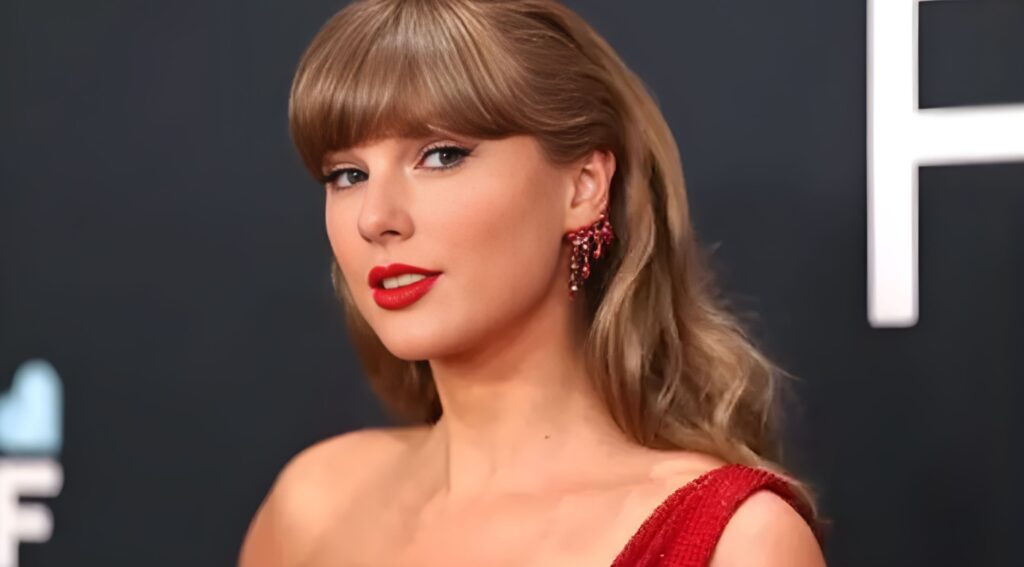
In 2025 the highest-paid actors watched the money flow change in some noticeable ways. Adam Sandler topped the list with $48 million, a big chunk of it coming from Netflix deals that included backend participation. Tom Cruise earned $46 million, pulling in plenty from Mission Impossible residuals after he took lower upfront pay in exchange for a share of box office and streaming revenue. Mark Wahlberg followed with $44 million, also leaning hard on streaming platforms, while Scarlett Johansson hit $43 million.
These numbers mark a shift from the old days when theatrical releases ruled everything. Streaming has trimmed traditional earnings for some, and overall pay for the top 20 actors dropped about 20 percent by some estimates. Still, the sharp ones adapted. They started negotiating for points on profits instead of flat fees. Cruise stands out because he stuck with the big franchises and demanded a cut of the gross. Wahlberg does something pretty similar, mixing acting with production through his own company.
It is not just about the dollars listed on paper. These deals hand actors more control over their careers and create income streams that keep going long after the cameras stop rolling. Financial advisors who handle high-profile clients say backend participation has turned into the standard move because it protects against the wild swings of box office performance. When a film takes off on streaming, the money keeps rolling in without the star ever having to step back on set.
Music Stars Turn Tours and Catalogs Into Empires
The Eras Tour alone racked up massive ticket sales and merchandise revenue that pushed her net worth higher. She also re-recorded her early albums to get control of the masters back, a step that boosted her royalties in a big way. Nearly $800 million of her fortune ties straight to music-related income, including publishing rights. Real estate piles on another layer, with properties valued around $110 million or more.
Jay-Z took a different path but landed in the same billionaire tier. His Roc Nation label manages artists and events, while Armand de Brignac champagne and the other ventures keep steady cash coming in. He got into tech companies early, including a stake that paid off nicely when Uber took off. Beyonce built a parallel empire with her tours, the Ivy Park clothing line, and production work, though her exact net worth sits below the top tier.
Music catalogs turned into hot property. Artists sell or leverage rights to their songs for upfront cash while still holding onto some control. Elton John’s catalog and touring history have kept him steady around $550 million. Katy Perry sits near $340 million after her Las Vegas residency and fragrance deals. Shakira holds steady at $300 million despite past tax settlements, thanks to global album sales and tours.
The whole approach works because streaming royalties by themselves rarely build massive wealth. Live shows and merchandise fill the gap, and owning the intellectual property creates that nice passive income. People who know the industry well call the re-recording and catalog moves a real turning point for artists who used to hand over control to the labels.
Athletes Leverage Endorsements Into Business Ownership
Michael Jordan still sets the standard. His Nike partnership began with an equity stake instead of a plain endorsement fee, and that choice turned into billions over the years. The Jordan Brand keeps generating hundreds of millions annually in royalties. Other athletes picked up on the same idea. Cristiano Ronaldo reportedly earned around $275 million in 2025, mixing his soccer salary with huge endorsement deals and his own CR7 brand.
Dwayne Johnson moved from wrestling to acting and sits at roughly $800 million or more. His Seven Bucks production company handles films, and the Teremana Tequila stake has grown the brand’s value into the billions. Equity in these ventures counts for more than flat sponsorship money because it lines the celebrity’s success right up with the company’s growth.
Patrick Mahomes and other young stars spread their investments across real estate, business ventures, and endorsements. Giannis Antetokounmpo has seen solid returns on his portfolio by doing the same. The pattern stands out clearly: athletes who treat their fame as seed money for ownership end up with more stable wealth than those who stick only to playing contracts.
Observers point out that sports salaries have climbed sharply, but the real money shows up after the playing days are over. Endorsements tied to equity stakes cut risk and line up interests with brands looking for real partnerships.
Building Brands From Scratch
Rihanna’s Fenty Beauty and Savage x Fenty have lifted her net worth to about $1.4 billion. She owns 50 percent of the cosmetics line, which LVMH values in the billions. The lingerie brand raised funding at a $1 billion valuation earlier and keeps expanding. Rihanna did not just put her name on products; she designed lines that actually filled gaps in the market for inclusive shades and sizing.
Kim Kardashian followed a similar road with SKIMS, turning her reality television background into a shapewear empire now valued at several billion dollars. Selena Gomez’s Rare Beauty hit unicorn status, and Hailey Bieber sold her Rhode skincare line for around $1 billion. These businesses work because they solve actual consumer problems and use the star’s social media reach in a direct way.
The move from pure endorsement to founder-ownership flips the economics. Instead of one-time fees, celebrities pull in ongoing revenue and the chance at big exit payouts. Brands get built-in marketing through the star’s platforms. Experts who watch consumer goods closely say authenticity really drives sales, and when the celebrity has real skin in the game through equity, that authenticity comes across as genuine.
Real Estate and Investment Strategies
A lot of celebrities put money into property for some stability. Taylor Swift’s portfolio includes multiple homes worth well over $100 million. Oprah owns several estates spread across the country. Jay-Z and Beyonce have holdings in places like Malibu valued at hundreds of millions. Real estate brings appreciation, rental income in some cases, and a buffer against inflation.
Beyond bricks and mortar, venture capital has caught on. Jay-Z’s early Uber investment paid off in a major way. Serena Williams runs a fund aimed at women and underrepresented founders. Robert Downey Jr. backs climate tech companies. These moves spread risk and open doors to high-growth areas outside entertainment.
Financial planners who manage celebrity accounts stress diversification. One bad film or album flop can sting, but a mix of assets evens things out. Family offices handle these portfolios to steer clear of conflicts and keep decisions on a professional level. The setup helps cut down on impulsive spending or advice from the wrong people.
Pitfalls in Wealth Preservation
Not every story wraps up cleanly. Tax troubles have caught stars like Wesley Snipes, who served time for evasion, and Nicolas Cage, who ran into problems from advisor mismanagement. Teresa Giudice faced fraud charges linked to her finances. These examples underline why a solid team matters. Without one, even big earnings can vanish through poor planning or surprise liabilities.
Divorces throw in another level of complication. Asset splits and capital gains taxes can shrink fortunes fast if trusts or prenuptial agreements are missing. Estate planning slip-ups, like those in some high-profile cases with unsigned wills or outdated paperwork, drag out legal battles and stir up family fights.
Advisors who work with high-net-worth clients push for proactive steps. Regular reviews of holdings, professional management, and clear succession plans head off a lot of trouble. The celebrities who stay at the top treat wealth like a business, not just money for personal spending.
Philanthropy as Strategy and Legacy
Some stars direct money toward causes. Oprah has given hundreds of millions through her foundation and school projects. Beyonce and Jay-Z focus on economic opportunity and education programs. Michael Jordan backs youth and education efforts. These moves can bring tax benefits, but they also shape public image and leave something behind.
The Giving Pledge has drawn more celebrity signatories lately, with newer billionaires committing large slices of their wealth. Critics sometimes say the giving does not always keep pace with fortune growth, but the trend points to growing awareness about legacy. For plenty of them, philanthropy fits right into the wealth toolkit, matching personal values with business interests.